Vehicle Clamping and Recovery by Bailiffs
We help motorists challenge unlawful clamping, recover vehicles, and stop further enforcement action.
If your vehicle has been clamped or removed for a parking penalty, you may still have options to suspend enforcement, recover your vehicle, and reduce or cancel the underlying debt.
- Home
- Penalty Charge Appeal Service
- Challenge Bailiff Vehicle Clamping
How Bailiff Vehicle Clamping Works
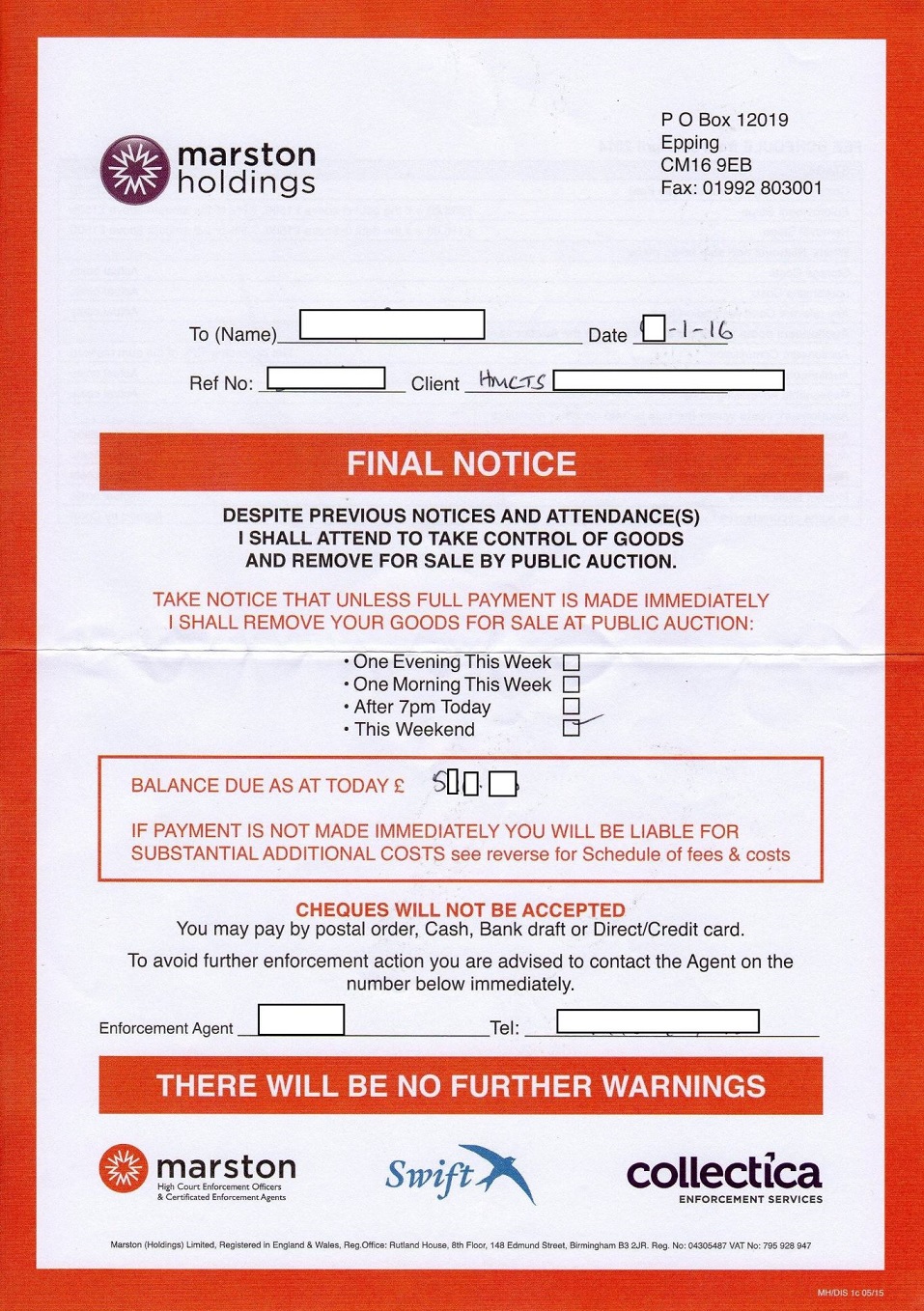
Vehicle clamping and removal is one of the most aggressive stages of parking enforcement. It usually happens after a Notice of Enforcement has been issued and a warrant of control is active.
Bailiffs may clamp or remove a vehicle if they believe a valid warrant of control exists, the vehicle belongs to the debtor, the vehicle is located on a public highway or at the debtor’s address. However, many clampings are unlawful due to procedural errors or non-compliance with enforcement regulations.
Bailiffs do not have unlimited powers.
Vehicle clamping or removal may be unlawful if:
Enforcement should have been suspended
The warrant is defective or expired
A statutory declaration or TEC application is pending
The vehicle is exempt or not owned by the debtor
The bailiff failed to follow notice or timing requirements
If clamping was unlawful, enforcement must stop and the vehicle must be released.
Yes. If the clamping was carried out unlawfully or enforcement should have been suspended, the vehicle must be released. In many cases, submitting the correct TEC application is enough to stop enforcement and secure release.
Not necessarily. Paying the bailiff can make it harder to challenge enforcement later. In many cases, it is better to suspend enforcement first so the case can be reviewed properly before any payment is made.
Once the application is submitted, enforcement is suspended while the Traffic Enforcement Centre reviews the case. If accepted, the warrant is cancelled and the case is reset to the correct stage, giving you the opportunity to appeal or resolve the matter at the lower rate.
Vehicles may be exempt from enforcement if they are essential for employment, disability, or caring responsibilities. This must be raised correctly as part of the enforcement challenge and supported with evidence.
Once the application is submitted, enforcement is suspended while the Traffic Enforcement Centre reviews the case. If accepted, the warrant is cancelled and the case is reset to the correct stage, giving you the opportunity to appeal or resolve the matter at the lower rate.

Why You Should Challenge Vehicle Clamping
It's simple really, stop enforcement, save ~£500, keep your vehicle and avoid harrassment.
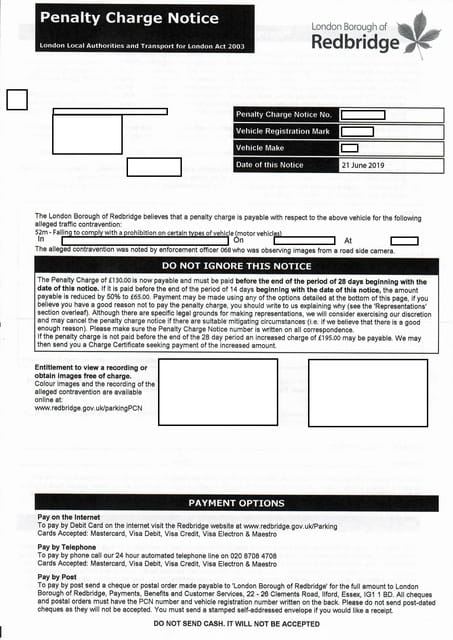
Vehicle Clamping and Recovery Checklist
If your vehicle has been clamped or removed, the following checks are critical.
Warrant Validity
Is the warrant of control valid, current, and correctly issued to the correct person and address for enforcement? The officer must have a valid warrant of control.
Vehicle Ownership and Exemptions
Does the vehicle belong to you, and is it exempt due to work, disability, or essential use? some vehicles are exempt from enforcement.
Compliance with Rules
Did the bailiff follow notice, timing, and conduct requirements set out in the Taking Control of Goods Regulations 2013 like giving 7 day notice?
If any of these checks fail, the clamping or removal may be unlawful.
Local Authority
Vehicle Clamping Appeal Process
At this stage you are challenging the Order for Recovery and warrant of control in order to suspend enforcement and restart the PCN process.
01.
Immediate Assessment
We review the enforcement stage, warrant status, and compliance issues. Expert knowledge is required to identify enforcement issues.
-
Get copy of the warrant of control
-
Request associated PCN for review
-
Assess compliance of pcn enforcement
02.
Prepare TEC Forms
We prepare the TE7/TE9 or PE2/PE3 and witness statement to challenge the Warrant or control and to suspend enforcement.
-
Correct TEC forms for your contravention
-
Clear statement drafted in the right format
-
Instructions for evidence and signing
03.
TEC Review
Once submitted, enforcement is placed on hold while the Traffic Enforcement Centre reviews the application.
-
Enforcement suspended during review
-
Enforcement powers cease completely
-
Vehicle clamps removed or returned
04.
TEC Outcome
If the application is accepted, the Order for Recovery and warrant are cancelled and the case is returned to the correct stage.
-
Review can take up to 6 weeks
-
Case reset to the pre-enforcement stage
-
Appeal or pay penalty charge at lower rate
Local Authority
Order For Recovery Appeal
Challenge an order for recovery to stop bailiff enforcement and reset PCN enforcement.
Order for Recovery
For drivers who want to challenge their penalty charge notice themselves.
- Appeal Assessment & Documents
- Download PDF Appeal Documents
- Initial & Triunal Appeal Guidance
- For Private or Council Notices
Notice of Enforcement
For drivers who want us to handle the penalty charge appeal on their behalf.
- Council & Tribunal Appeals
- We Prepare All Appeal Documents
- Submit All Appeal Documentation
- Representation at Parking Tribunals
Vehicle Clamping
For drivers facing enforcement from bailiffs or clamped vehicles.
- Stop PCN Bailiff Enforcement
- We prepare & Submit TEC forms
- CCJ Application and Removal
- Prepare All documents required
Send your case today
How it works
Order for Recovery Appeal Process
Submit your case for professional preparation of documents needed to challenge the Notice of Enforcement and remove the clamps.
Why choose us
Over 25,000 Clients
We have helped over 25,000 people appeal parking tickets and defend court cases and specialise parking legislation.