 Parking Mate UK
ParkingEye Ticket Appeal Service
Challenge Your Parkingeye Ticket, Debt Demand, or Court Claim
Received a Parking Charge Notice or Court Claim from Parkingeye? Get a free assessment to find legal loopholes, then let Parking Mate UK prepare and handle your appeal, debt response or court defence in minutes. Parking Mate UK levels the appeal playing field.
From £9.99 • Guaranteed Appeals • 25,000+ Appeals Handled
Start Free AssessmentRecent ParkingEye results
Cancelled Parking Charge Notices
About Parkingeye Limited

Parkingeye is a private parking operator that manages more than 4,000 car parks across the UK. It uses Automatic Number Plate Recognition cameras, payment records and site rules to issue contractual Parking Charge Notices on private land.
ANPR cameras record entry and exit times. They do not establish what happened inside the car park, whether the vehicle was parked throughout, whether a payment machine worked or whether the motorist was authorised by a retailer, hotel, hospital or landowner.
Parkingeye is a member of the British Parking Association. It can request registered keeper details from the DVLA through the KADOE system where it claims reasonable cause. Parkingeye made 2,523,467 KADOE keeper enquiries during 2025/26, equal to roughly 6,914 requests per day.
Parking Mate UK are Parkingeye ticket specialists. We challenge parking charges, respond to debt recovery letters and help UK motorists defend court claims in minutes. Our services are designed to remove the stress and worry of fighting a Parkingeye notice.
Where Parkingeye Tickets Are Issued
Parkingeye issues tickets at various car parks and each one requires a different strategy for cancellation.
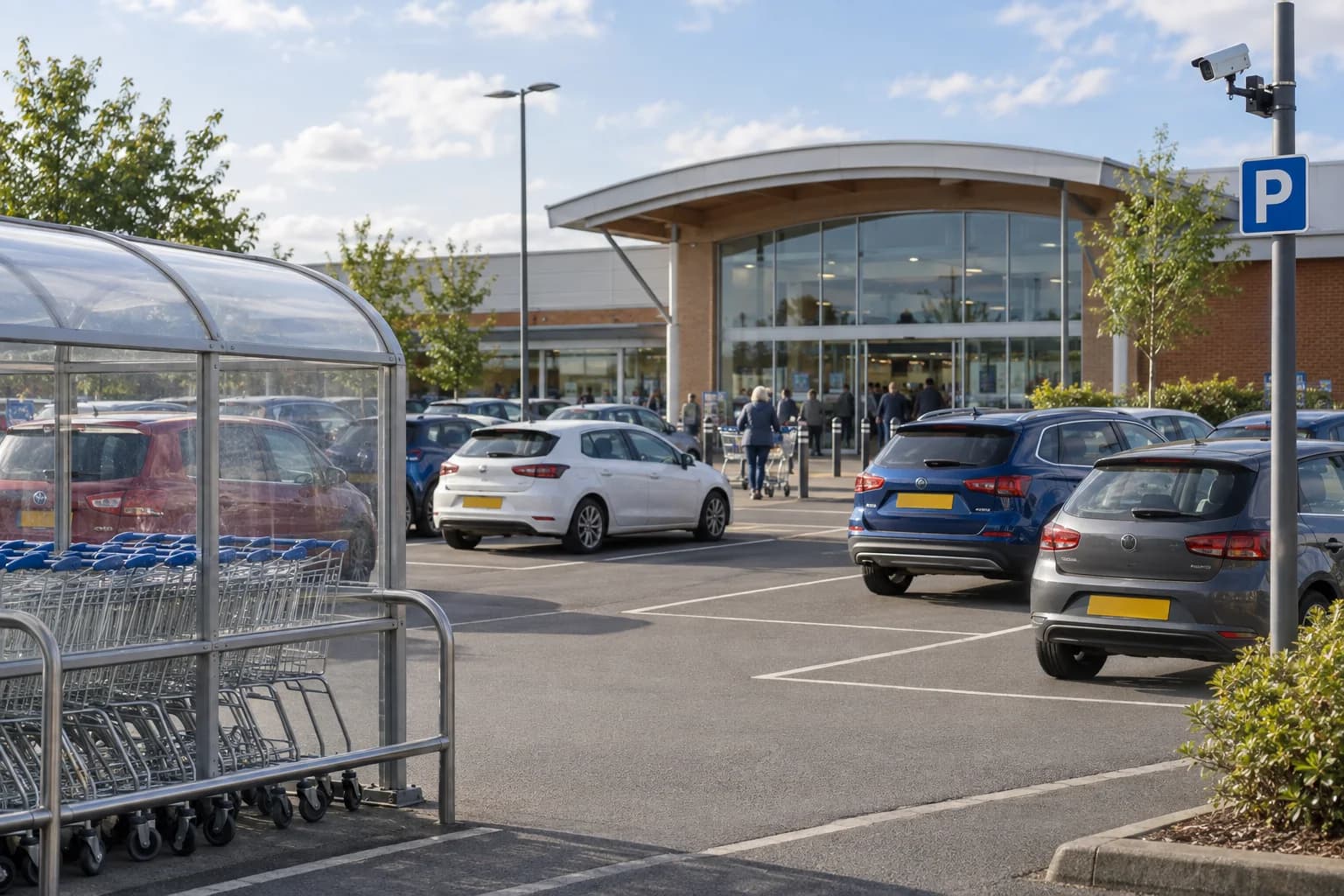
Supermarkets, Retail Parks and Gyms
At Aldi, Lidl, Asda and other customer sites, charges commonly follow an alleged ANPR overstay, failure to enter a registration at an in-store terminal, a failed payment or an authorised customer visit that was not correctly validated.
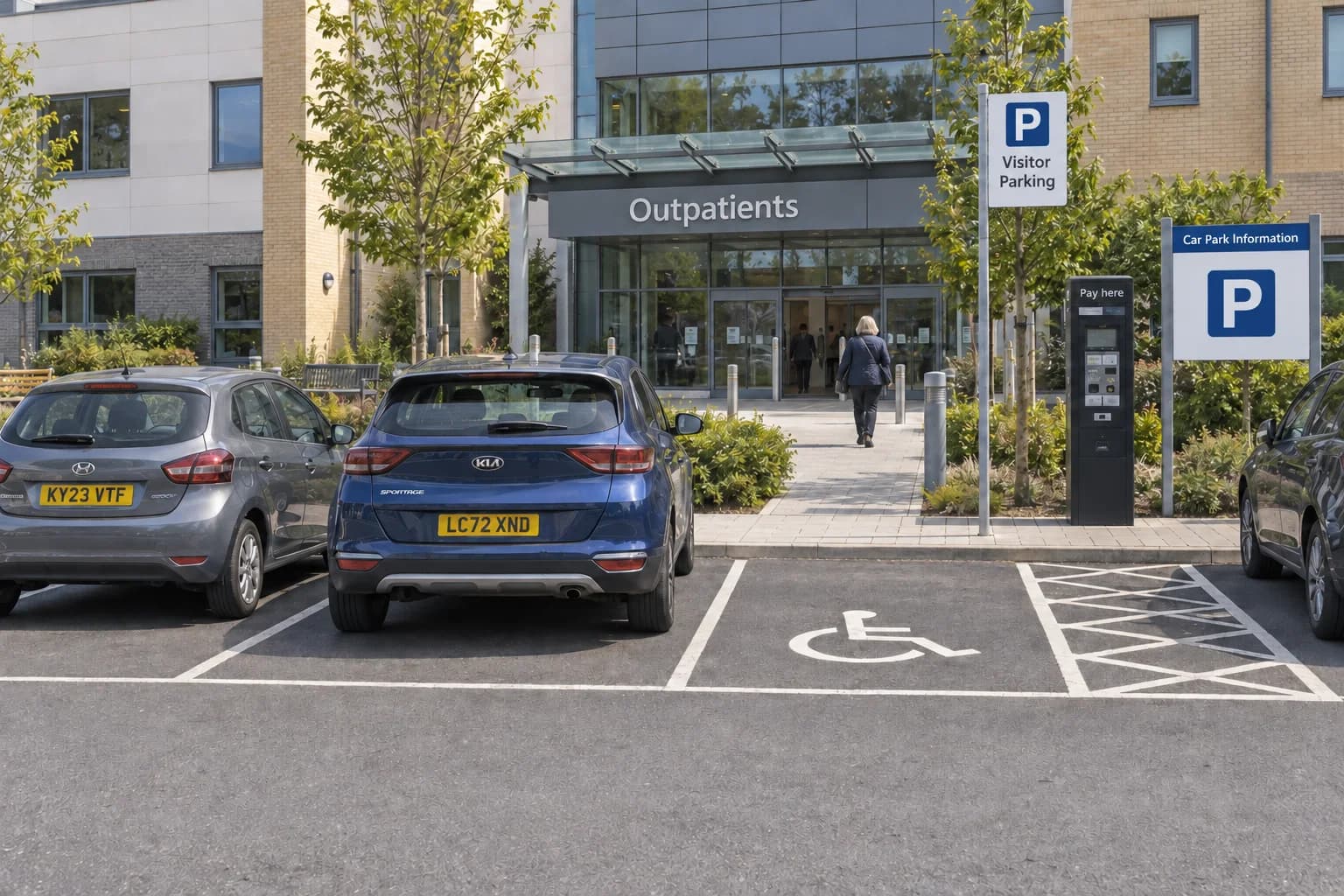
NHS Hospitals and Medical Centres
Hospital charges can arise when treatment overruns, a patient needs additional time, a Blue Badge or concession is not registered, or the vehicle-registration system does not record an authorised appointment correctly.
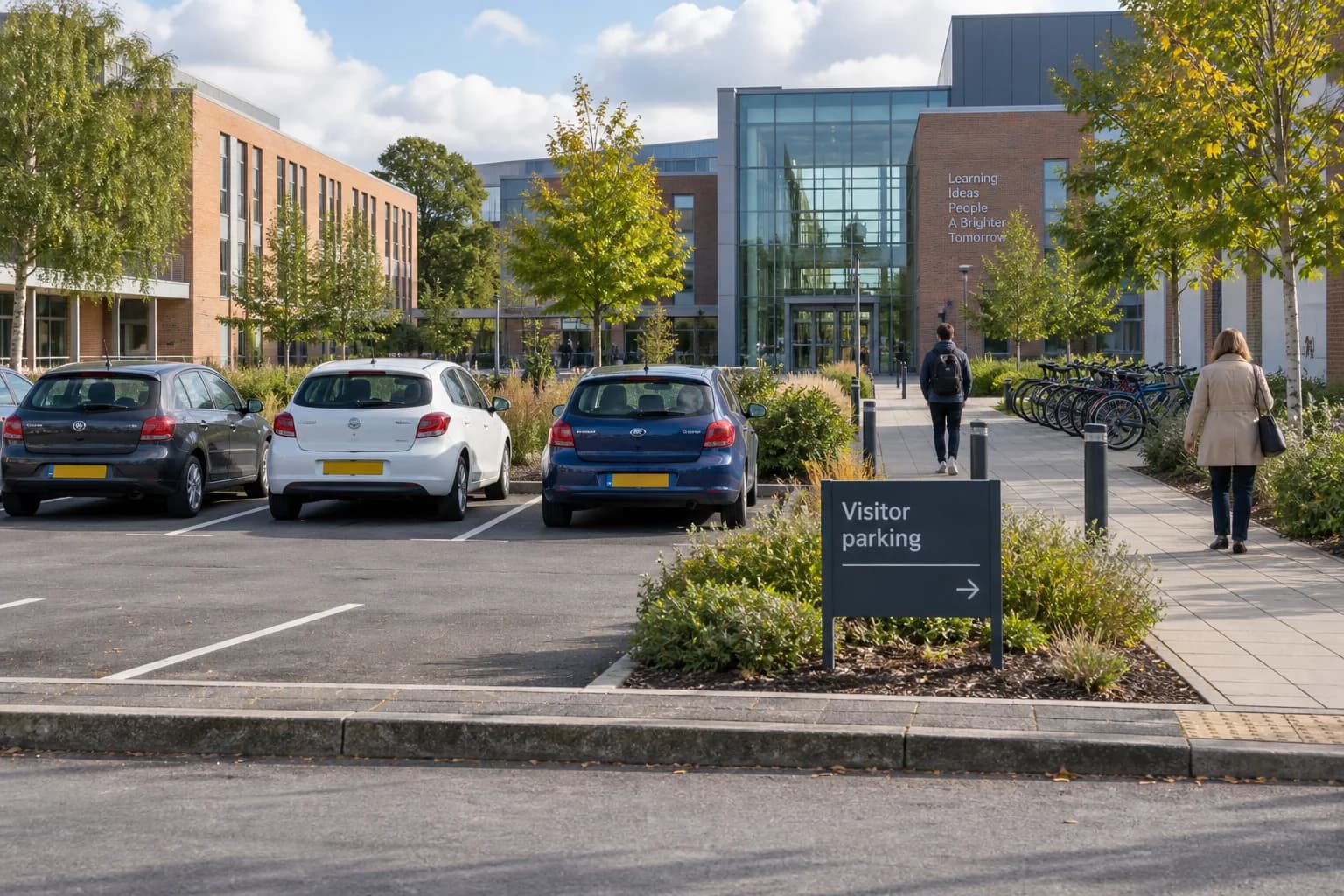
Schools, Colleges and Universities
Education sites use different rules for students, staff, parents, contractors and visitors. Disputes often involve digital permits, vehicle whitelists, restricted zones, paid visitor parking or registrations that were not matched to the ANPR record.
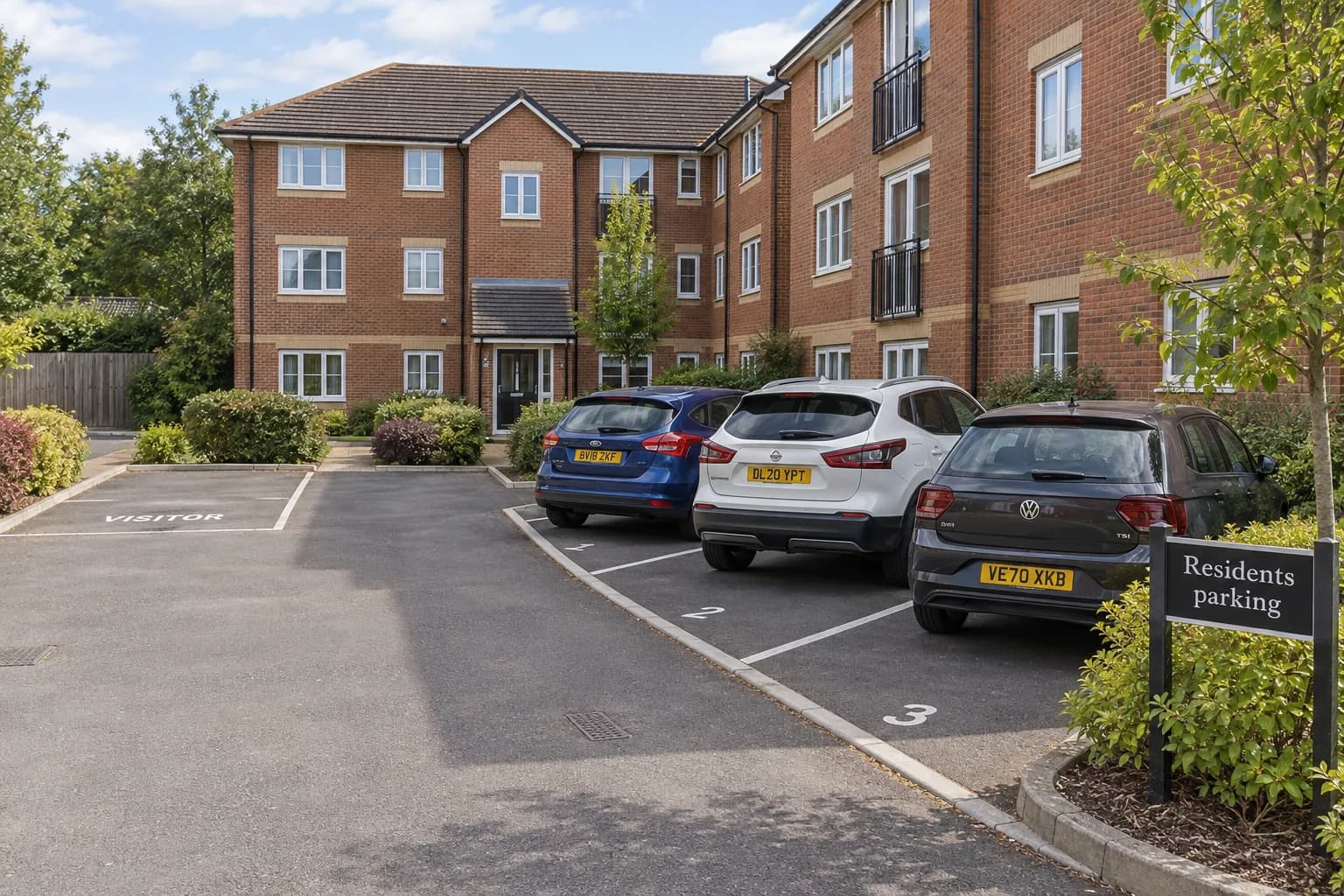
Residential and Mixed-Use Estates
Residential cases can turn on tenancy or lease rights, allocated bays, visitor permits, managing-agent instructions and registration databases. The displayed terms must be checked against the motorist's existing right to park.
How We Assess a Parkingeye Ticket
Every assessment starts with the document Parkingeye sent and the stage the case has reached. We then apply the rules that govern the notice, the alleged parking event and any later enforcement action.
Parkingeye Notice
We identify the document, allegation, issue date, parking dates, location, amount claimed and response deadline, then compare the wording with the photographs, timestamps and payment information.
Private Parking Code
We check the applicable private parking code for signage, consideration and grace periods, ANPR use, payment or registration errors, evidence standards and the way Parkingeye handled the case.
POFA 2012
Where Parkingeye seeks payment from the registered keeper, we test the notice and case history against Schedule 4 of the Protection of Freedoms Act 2012 and its keeper-liability requirements.
Civil Procedure Rules
If the charge progresses towards court, we assess the pre-action correspondence, particulars, evidence, claimed amount and deadlines against the Civil Procedure Rules and court process.
How It Works
Upload Your Document
Take a photo of the Parkingeye notice, debt letter or court document you received. The free assessment takes around two minutes and identifies the stage and deadline.
We Prepare Your Response
Parking Mate UK checks the document and evidence, then prepares the correct case-specific appeal, dispute response or court document for your stage.
We Track Every Next Step
We monitor the response and deadlines, keep you updated and handle the next escalation through Parkingeye, POPLA, debt recovery or court support.
Private Parking Ticket Data and Appeals Reform
New analysis of Government data shows a 17% increase in the number of parking tickets issued by private companies, reaching a record 16.9 million in 2025/26.
Steve Gooding, director of the RAC Foundation, said:
Since Parliament recognised the need for reform, 76 million private parking tickets have been issued—well over two for every car in the country.
The Competition and Markets Authority found major problems in the appeals process that need to be addressed.
Parking Mate UK has taken the initiative and provides an independent platform designed for UK motorists.
The RAC Foundation also called for “a single independent appeals body” to replace the two separate systems operated for the parking trade associations. Read the RAC report.
Parkingeye Ticket Services
From the first Parkingeye notice through to court, Parking Mate UK connects every document, response and deadline in one case.
Free Parkingeye Assessment
£0Upload the notice and evidence. We identify the stage, check the details and explain the recommended next step before you pay.
Check Your PCN
Parkingeye Appeal Handling
From £9.99We prepare and submit the first appeal, track the decision and handle the POPLA escalation if Parkingeye rejects it.
View service
Debt Recovery Response
£29.99We dispute the underlying charge, added recovery amount and recovery conduct with Parkingeye or its recovery company.
View service
Letter Before Claim Response
£29.99We prepare and submit the formal response, request the evidence and try to resolve the dispute before proceedings.
View service
Court Claim Defence
£49.99We prepare the Defence and later court documents, track deadlines and support the case from the N1 Claim Form to the hearing.
View service
Track Every Deadline
IncludedParking Mate UK monitors decisions, requests and court dates, then tells you what happens next through the platform and WhatsApp.
Each Parkingeye ticket requires a specific response depending on whether you are at the appeal, debt or court stage, and Parking Mate UK will identify the stage based on the notice you received.
Motorists often underestimate the work required to challenge a Parkingeye ticket: researching 16 pages of POFA, 60 pages of the BPA Single Code, preparing professional documents and analysing 60+ pages of Parkingeye evidence packs at the POPLA or court stage. When the reality hits, most give up and pay Parkingeye. Parking Mate UK is designed to handle all of this in seconds and provide professionally prepared, case-specific responses at any stage. It is fighting fire with fire.
Parking Mate UK Reviews
Read what motorists say about using Parking Mate UK to challenge private parking tickets.
Parking Mate drafted the appeal for me and the parking charges were reversed. Mine was not so straight forward case but I did give a try and it worked. Will use them again.Rohit BrahmbhattGoogle review
Parking Mate were brilliant. They helped me appeal my parking ticket and the appeal was successful, so the ticket was cancelled. I’m very happy with the outcome and would definitely recommend them to anyone who needs help challenging a parking ticket.Stella RGoogle review
Used Parking Mate after getting a parking fine of £100. I was a bit apprehensive at first but the appeal letter was very clear and I successfully got my parking fine cancelled!D MGoogle review
So easy to create the letter and such a clear process, which has been explained perfectly. Purchased my letter, sent it off and parking fine was cancelled! Thank you!Trustpilot reviewerTrustpilot review
PCN Cancelled successfully. Very straight forward, great communication, just follow the Parking Mate UK instructions.Trustpilot reviewerTrustpilot review
Great service - my PCN was successfully cancelled thanks to Parking Mate UK. The process was smooth, communication was clear, and they handled everything quickly and professionally. Highly recommended!Trustpilot reviewerTrustpilot review
Parkingeye Customer Case Assessments
Parkingeye case study
£80 Parkingeye Charge Cancelled After a Breakdown at Surrey Sports Park
The vehicle could not leave the site because of a breakdown. The appeal used the evidence and the circumstances of the stop to challenge the £80 Parkingeye charge.
£80 charge cancelled with no outstanding payment dueRead the case studyParkingeye case study
Parkingeye Charge Cancelled at Lidl Okehampton
Parkingeye issued written confirmation that the Parking Charge at Lidl Okehampton had been cancelled.
Charge cancelled · 10 September 2026Parkingeye case study
Parkingeye Charge Cancelled at Aldi Longridge Road
The cancellation letter confirmed that the Parkingeye charge had been cancelled and no payment remained outstanding.
Charge cancelled · 9 September 2026Why Parking Mate UK Wins
Everything needed to identify, prepare, submit and track the correct response at every stage of a Parkingeye case.
Free Two-Minute Assessment
Identify the document, current stage and recommended next step before paying for a service.
Case-Specific Documents
Receive an appeal, dispute response or court document prepared from your notice and evidence.
Appeal Submission Included
Parking Mate UK submits Parkingeye and POPLA appeals and provides confirmation for your records.
25,000+ Appeals Handled
Our platform is built on the experience of handling more than 25,000 parking appeals.
2,000 Court Claims
Court support is informed by experience handling 2,000 parking court claims from Defence to hearing.
POPLA Escalation Handled
If Parkingeye rejects the first appeal, the case can continue through evidence review and POPLA escalation.
Every Deadline Tracked
Decisions, evidence requests and court dates are monitored so you know what happens next.
One Connected Case
Keep the notice, evidence, documents, submissions and updates together through every stage.
24/7 WhatsApp Updates
Upload documents, complete assessments and check progress through WhatsApp whenever you need an update.
Parkingeye Ticket FAQ
Can I ignore a Parkingeye ticket?
No. An unpaid charge can progress through debt recovery, a Letter Before Claim and a County Court Claim. Identify the document and available response before the deadline.
Is a Parkingeye Parking Charge Notice a fine?
A Parkingeye Parking Charge Notice is a contractual charge issued on private land rather than a statutory fine issued by a council or the police. Parkingeye can pursue an unpaid charge, but it must still establish the contractual terms, adequate signage, the alleged breach and the legal basis for recovering payment.
Does a Blue Badge exempt me from Parkingeye's rules?
Not automatically. The Blue Badge scheme generally applies to public roads rather than private land. A private car park may provide accessible bays or extra time, but its displayed terms can still apply. Evidence of disability and any need for reasonable adjustments may still be relevant to an appeal.
What happens if I was not the driver?
Parkingeye may seek to recover the charge from the registered keeper only if the applicable conditions of Schedule 4 of the Protection of Freedoms Act 2012 are met. Keeper liability applies only in England and Wales. Do not identify the driver accidentally before the notice and circumstances have been assessed.
How does Parkingeye say a parking contract was formed?
Parkingeye says the contract is created by the signs displayed at the car park. An appeal can therefore examine whether the signs were visible, readable and capable of clearly communicating the relevant tariff, time limit and parking charge.
What does ParkingEye v Beavis mean for my ticket?
In ParkingEye v Beavis [2015] UKSC 67, the Supreme Court upheld an £85 charge at a retail car park where the two-hour limit and charge were prominently displayed and there was a legitimate interest in managing the turnover of parking spaces. The decision does not make every Parkingeye charge automatically enforceable. Parkingeye must still establish that clear terms applied at the site, adequate notice was given, the alleged breach occurred and the correct enforcement procedure was followed. Read the . Supreme Court case
Does Parkingeye have authority to issue parking charges?
Parkingeye says it is authorised by the landowners or clients it represents. Where authority is disputed, the evidence should establish that Parkingeye had sufficient authority at that site to set the terms, issue charges and pursue payment.
About Parking Mate UK
Founded by Leo Musami, Civil Disputes Specialist
We built Parking Ticket Appeal OS, a platform that knows your Parkingeye notice you received, prepares appeals, court responses and tracks dates and deadlines through Parkingeye, POPLA, debt recovery and court stages.
Founded in 2019 by Leo Musami, a former Accenture technology and contract specialist, Parking Mate UK combines complex contract management, software engineering and practical disputes experience to remove the administrative burden from motorists.
Our mission is to give drivers an automated appeal and case-management system that checks operator compliance while removing the time, complexity and stress from challenging a parking charge.
I have seen people turn to online forums for help, only to become frustrated when they are repeatedly told that the template they used is wrong.
Independent ParkingEye Appeal Service
ParkingEye Ticket Guides
Appeal processParkingEye guide
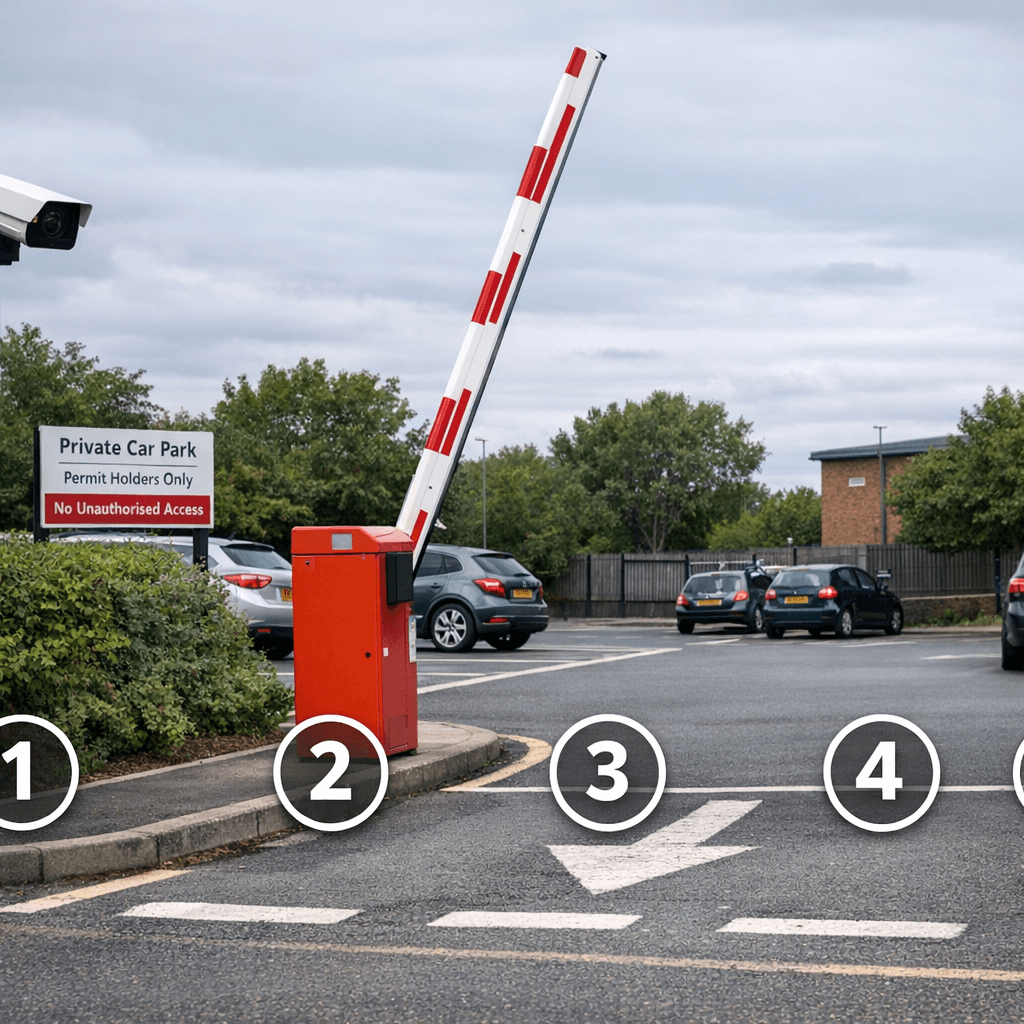
How to Appeal a ParkingEye Ticket
When you receive the initial Parking Charge Notice, you have 28 days to submit a formal appeal explaining why the charge should be cancelled.
Read guide
Debt recoveryParkingEye guide
How to Respond to ParkingEye Debt Recovery
If the PCN is ignored, ParkingEye frequently escalates the case to third-party debt recovery companies.
Read guide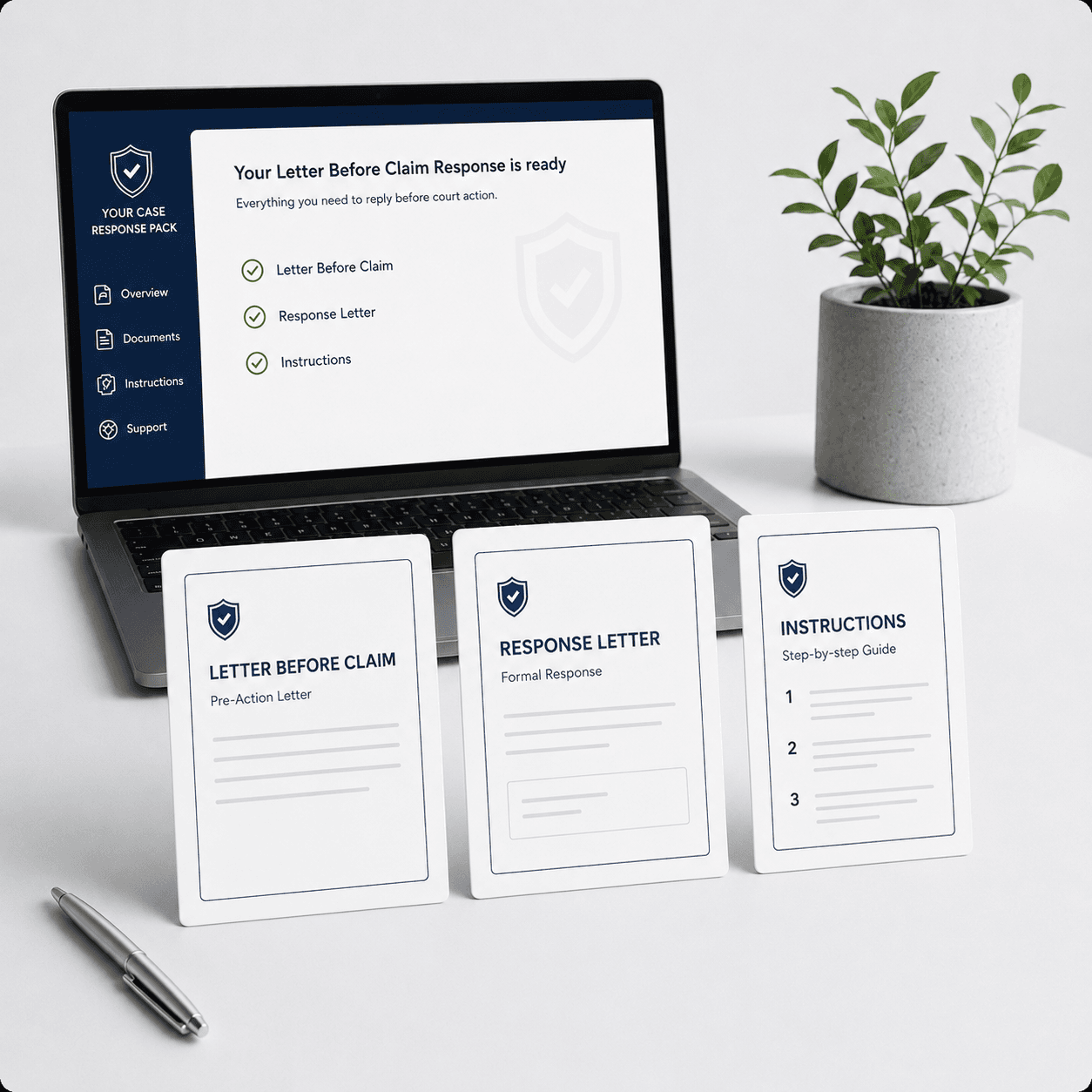
Pre-actionParkingEye guide
How to Respond to a ParkingEye Letter Before Claim
The Letter Before Claim is the final formal warning before a County Court claim is registered.
Read guide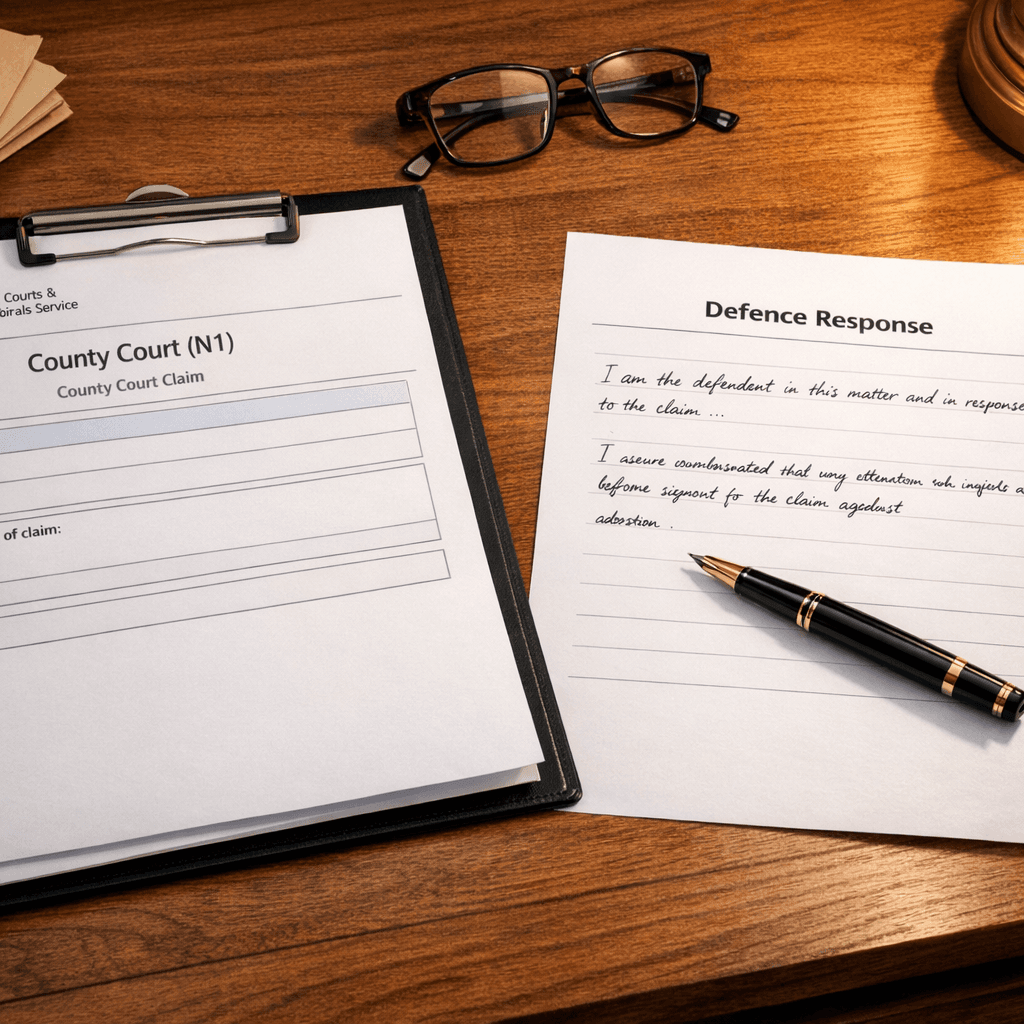
County CourtParkingEye guide
How to Defend a ParkingEye County Court Claim
Once an N1 Claim Form is formally issued, you are no longer in the appeal process.
Read guide