Penalty Charge Notice
from
£9.99
one-time
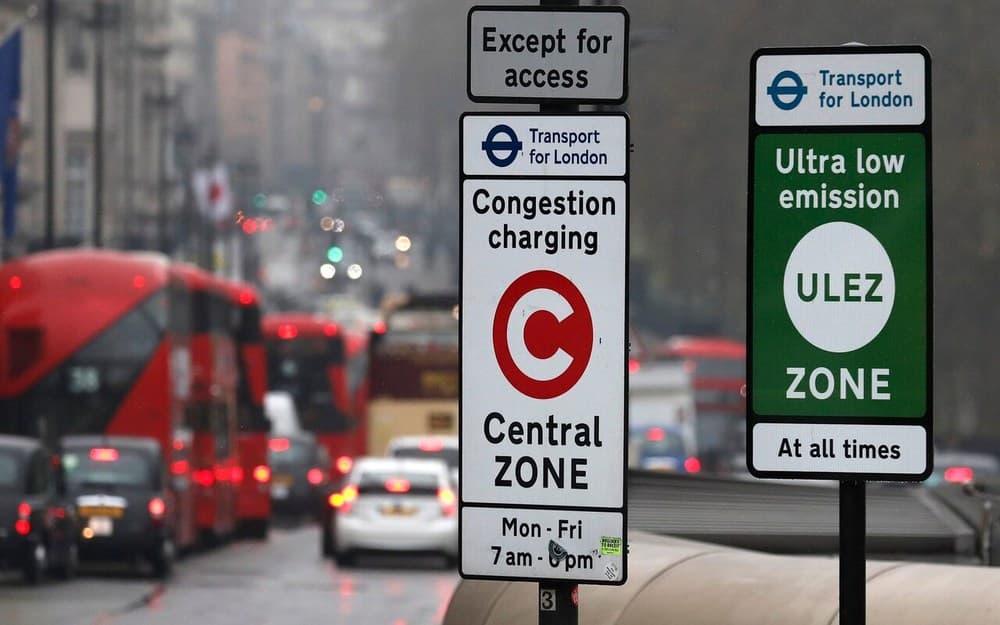
Challenge a council parking, bus lane, moving traffic, ULEZ, LEZ, or congestion charge PCN.
- ✓Council representation
- ✓Evidence checklist
- ✓Submission instructions

Council PCN? Choose the right response
Search the local authority named on your Penalty Charge Notice and choose the right appeal, Charge Certificate, Order for Recovery, or bailiff enforcement route.
About council PCNs
A council can issue a Penalty Charge Notice, Notice to Owner, Charge Certificate, Order for Recovery, or enforcement notice. Each stage has a different deadline, different form, and different route to get the penalty cancelled, reset, or stopped.
Council PCNs move through strict stages. The right response depends on whether you have a PCN, Notice to Owner, Charge Certificate, Order for Recovery, or bailiff notice.
The council must prove the restriction, camera evidence, signage, road markings, observation period, and contravention code support the penalty.
Each authority has its own portal, but the appeal route still follows the same statutory process through representations, tribunal, TEC, and enforcement.
Find and challenge your council PCN notice.
CHOOSE YOUR COUNCIL NOTICE STAGE
Penalty Charge Notice Appeal
Challenge a council PCN before paying or waiting for the penalty to increase.
Notice to Owner
Make formal representations after the council sends the owner stage notice.
Charge Certificate
Check whether the penalty can still be challenged after it increases by 50%.
Order for Recovery
Understand the Traffic Enforcement Centre route before enforcement starts.
Notice of Enforcement
Respond before bailiff fees increase and enforcement action escalates.
Council Bailiff Enforcement
Get help when a council PCN has reached certificated enforcement agents.
Select or find your council PCN issuer.
Choose the stage that matches the PCN, Notice to Owner, Charge Certificate, Order for Recovery, or enforcement notice you received.
from
£9.99
one-time
Challenge a council parking, bus lane, moving traffic, ULEZ, LEZ, or congestion charge PCN.

from
£9.99
one-time
Make formal representations after the owner-stage notice arrives from the local authority.

from
£29.99
one-time
Check whether the increased penalty can still be reset before the debt reaches enforcement.
from
£49.99
one-time
Use the correct Traffic Enforcement Centre route when the council registers the unpaid penalty.

from
£49.99
one-time
Act quickly when an enforcement company warns that bailiff action may start.
from
£49.99
one-time
Get urgent guidance for enforcement, clamping, removal, or warrant-stage council PCN cases.
How to respond
Use the council page if you know the authority. Use the service route if you only know the notice type. Both routes point you toward the correct form for your case.
Start with the document in front of you or the authority that issued it, then choose the service route that matches your stage.
Parking Mate UK checks the PCN, evidence, exemptions, deadlines, statutory wording, and escalation route before preparing the right response.
You receive clear instructions for the council portal, tribunal route, Traffic Enforcement Centre, or enforcement-stage response.
Council PCN FAQ
Parking Mate covers all UK councils that issue penalty charge notices, including London boroughs, metropolitan authorities, county councils, and Transport for London. The site includes dedicated pages for councils like Westminster and Camden, but you can check a PCN from any local authority using the general upload.
Yes. A council penalty charge notice is a statutory civil penalty issued under the Traffic Management Act 2004, while a private parking ticket is a contractual claim from a private company. The appeal routes, deadlines, and enforcement processes are completely different. Always check which type you have before deciding how to respond.
Many councils allow you to make an informal challenge or formal representations online through their website. If the council rejects your representations, you can then appeal to an independent tribunal, the Traffic Penalty Tribunal (outside London) or London Tribunals (for London boroughs). Tribunal appeals can also be submitted online.
Common grounds for challenging a council PCN include incorrect contravention codes, inadequate signage, missing or defective road markings, failure to observe the required observation period, serving the PCN outside the statutory time limit, and procedural errors in the notice itself. The grounds that apply depend on your specific situation.
Council PCN deadlines are strict and vary by stage. You typically have 28 days to pay at the discounted rate or challenge informally, 28 days from a notice to owner to make formal representations, and 28 days from a rejection to appeal to the independent tribunal. Missing a deadline usually means losing that option permanently.
An informal challenge is made at the early stage before a notice to owner is issued. It has no statutory basis but councils will usually consider it. Formal representations are made after a notice to owner is issued and have legal standing. The council must consider them and give a reasoned response. If rejected, you can appeal to the independent tribunal.
Find the authority, choose the notice stage, and get the correct appeal, TEC response, or enforcement document.