How to Win Your IAS Appeal: Why Most Motorists Get It Wrong
The IAS Rejects 80% of Appeals. Here Is Why and How to Beat It.
The Independent Appeals Service has a motorist success rate of just 20 to 24 percent. Compare that to POPLA where motorists win 37 to 50 percent of the time. Most people who appeal through the IAS lose. But not because their case is weak. They lose because they appeal the wrong way.
Why Most IAS Appeals Fail
The number one reason motorists lose at IAS is simple. They appeal on mitigation grounds instead of contractual defects.
Mitigation means personal circumstances. “My appointment ran late.” “The payment machine was broken.” “I was only 5 minutes over.” “There was a family emergency.”
The IAS cannot consider any of these. Their rules explicitly exclude mitigating circumstances. They can only assess whether the parking charge was issued correctly under the terms of the contract and relevant legislation.
This means the only arguments that work at IAS are legal and contractual.
- The Notice to Keeper was served outside the 14-day deadline under POFA 2012
- The POFA keeper liability declaration was missing or defective
- The signage was inadequate, hidden, or contradictory
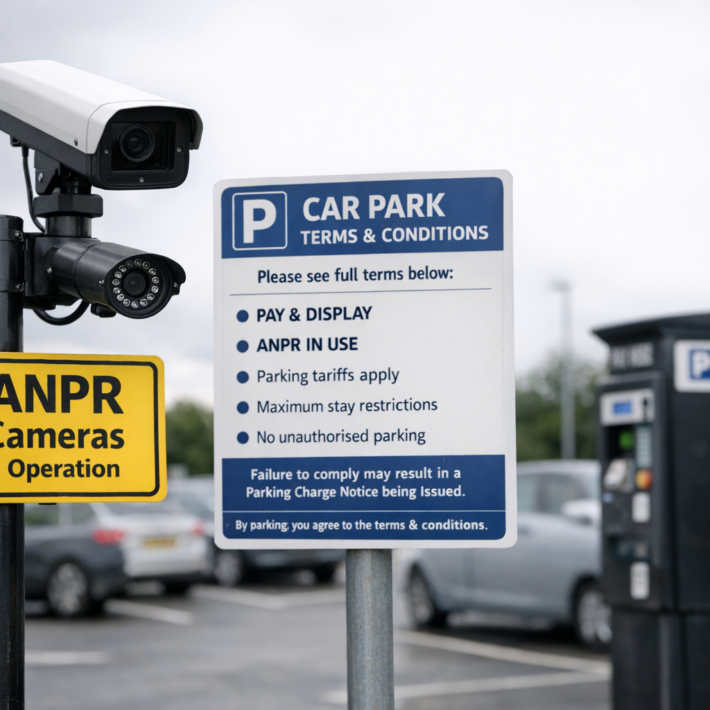
- The ANPR evidence was unreliable or incomplete
- The operator did not have landowner authority
- The charge was disproportionate
- The BPA or IPC Code of Practice was not followed
Our AI PCN Manager only builds appeals on these grounds. Never mitigation. Never excuses. Only contractual defects and legal failures. This is why our approach works where forum templates and personal letters fail.
The IAS Conflict of Interest
There is something most motorists do not know about the IAS.
The IAS is not truly independent. It is operated under the same legal entity as the IPC (International Parking Community), the trade body that represents the parking operators you are appealing against. The same solicitors firm, Gladstones Solicitors, is closely connected to both the IPC and the IAS.
When the IAS rejects your appeal, the debt recovery and court enforcement is often handled by the same legal network. Companies like Excel Parking publicly stated they moved from the BPA to the IPC specifically because the IAS rejects more appeals than POPLA.
This means the organisation judging your appeal has a financial interest in rejecting it.
Standard vs Non-Standard IAS Appeals
The IAS offers two types of appeal. This distinction is critical.
Standard appeal (free): The decision is NOT legally binding on you. If the IAS rejects your appeal, you can still ignore the charge, wait for debt recovery, and defend in court if a claim is filed. The operator cannot use the IAS decision against you in court.
Non-standard appeal (£15): This IS legally binding under the Arbitration Act 1996. If you lose, you cannot challenge the decision in court. Never use the non-standard appeal. It removes your legal options for no benefit.
What to Do After IAS Rejection
If your IAS appeal is rejected, you still have options.
1. Do nothing immediately. The IAS standard decision is not binding on you. The operator must decide whether to pursue through debt recovery and potentially court.
2. Prepare for debt recovery. If a debt collector writes (usually DCB Legal or Gladstones), respond with a professional dispute letter citing the same contractual defects. The defects do not disappear because the IAS ignored them.
3. Defend in court if they file a claim. Many operators that use the IAS file county court claims. A properly drafted defence citing POFA defects, signage failures, and evidence gaps frequently results in the claim being discontinued. We have handled over 2,000 court cases.
4. Complain to your MP. This is more powerful than most people realise. The Parking (Code of Practice) Act 2019 Section 7 authorises a single appeals service to replace both the IAS and POPLA. This was designed to fix the conflict of interest problem. The transition deadline is December 2026. MP casework builds the evidence base for enforcement of this change. Every complaint adds pressure.
Our AI PCN Support agent can help you draft an MP complaint letter highlighting the specific issues with your case and the structural problems with the IAS.
How Our System Beats the IAS
Our AI PCN Manager is specifically designed for the IAS appeal process.
- We never use mitigation arguments. Only contractual defects that the IAS must consider.
- We cite specific legislation (POFA 2012, IPC Code of Practice) that the IAS cannot ignore.
- We identify defects the motorist would never spot (late NTK, missing POFA declaration, ANPR timing errors).
- If the IAS rejects despite valid defects, we prepare your court defence documents.
- If you want to escalate to your MP, our AI Support agent drafts the complaint letter.
The IAS may be designed to reject you. Our system is designed to find the legal defects that make rejection indefensible.
IPC Operators That Use the IAS
If your ticket was issued by any of these operators, your appeal goes through the IAS, not POPLA.
- Smart Parking
- Excel Parking
- Vehicle Control Services (VCS)
- Gemini Parking Solutions
- National Parking Control
- UK Car Park Management
- Euro Parking Services
- HX Car Park Management
BPA operators use POPLA instead. Check your notice to see which trade body logo appears. Our AI identifies this automatically.
Check Your Ticket
Whether your operator uses the IAS or POPLA, the legal defects are the same. Upload your parking charge notice to our AI PCN Manager and get a contractual defect analysis in under 3 minutes. No mitigation. No excuses. Just the legal arguments that actually work.