Parking Mate UK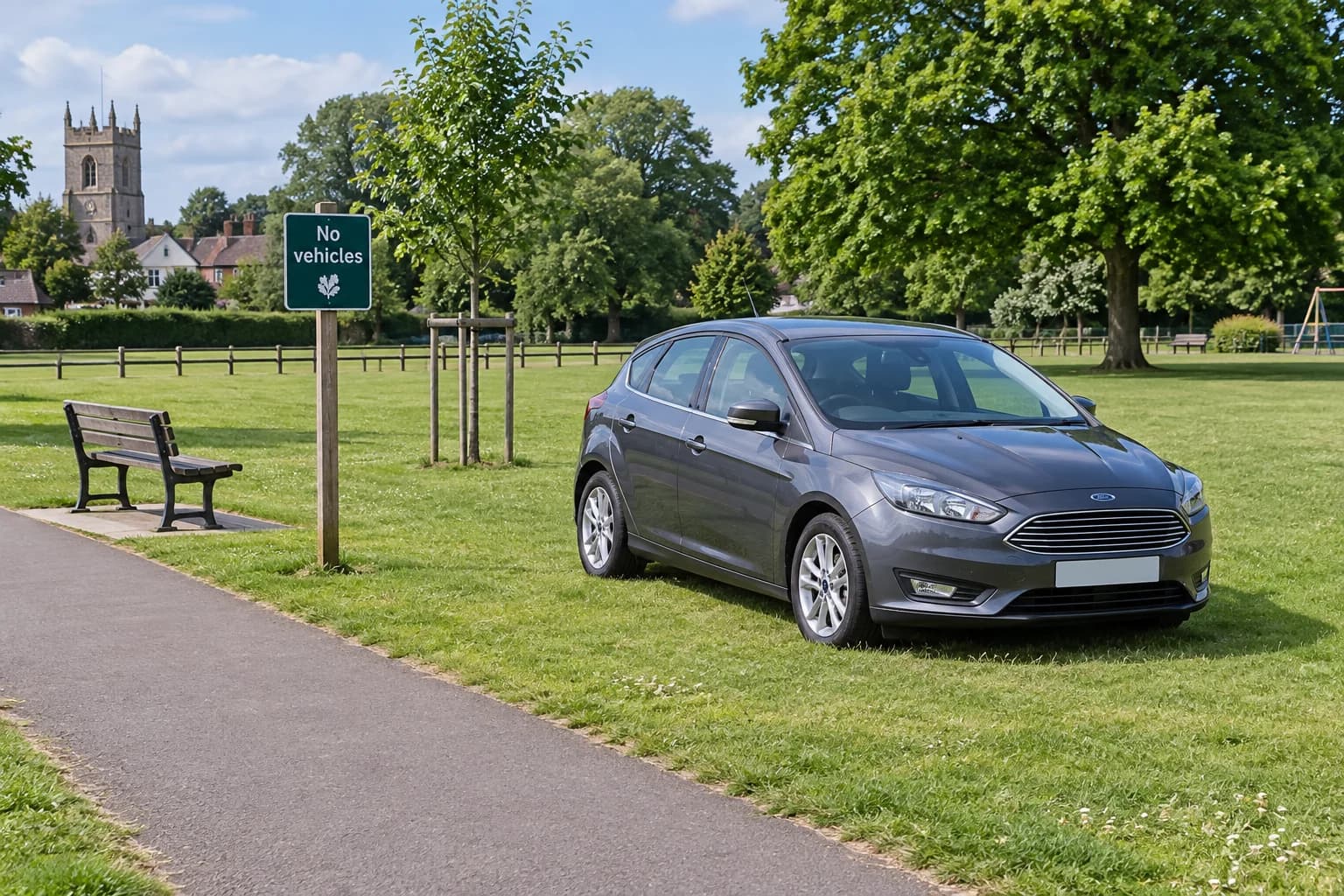
What a Code 65 PCN Alleges
The code 65 category addresses land laid out as a public garden or used for public recreation. Section 6(1)(b) of the Essex Act 1987 specifically covers qualifying land vested in someone other than a local authority; it must also satisfy the section's highway-access and maintained-condition requirements. Under section 6(8), a prohibition on that land requires the landholder's consent. Public use alone does not establish that every condition has been met.
Essex and Exeter Civil PCNs: Challenge the Current Notice
The local Act establishes the particular restriction. Where the authority issues a civil parking PCN under the Traffic Management Act 2004, England's parking notice and representation procedure applies. It is not London's separate moving-traffic process.
- PCN served at the vehicle: send an informal challenge to the authority identified on it, with evidence about the local prohibition and the vehicle's position.
- Notice to Owner: the owner makes formal representations, repeating the relevant evidence and addressing an earlier rejection. The informal challenge does not replace this statutory response.
- Postal PCN: where the authority has a lawful basis for postal service, make formal representations against that notice rather than waiting for a Notice to Owner.
- Formal Notice of Rejection: appeal to the Traffic Penalty Tribunal using the instructions supplied. London Tribunals is not the tribunal for these Essex or Exeter parking PCNs.
An advisory leaflet, criminal Fixed Penalty Notice or private parking demand is a different document. Check the issuer and legal basis before applying the civil-PCN procedure.
Local Parking PCN Deadlines and the 56-Day Reply Requirement
A PCN served on the vehicle or driver normally gives 14 days at the discounted amount. Check the council's policy on preserving or re-offering that discount when an early challenge is received.
- A Notice to Owner normally gives 28 days beginning with service for formal representations.
- A lawful postal parking PCN normally gives 28 days beginning with service for formal representations. Its discount period depends on the statutory basis for postal service.
- For qualifying formal parking representations in England, the authority must serve its decision within 56 days of receipt. This is not a universal deadline for answering an informal email.
- A Notice of Rejection normally allows 28 days beginning with service for an appeal to the Traffic Penalty Tribunal.
Use the amount and discount printed on the current Essex or Exeter PCN. London borough penalty bands do not apply to these local-Act contraventions. A request for photographs does not itself suspend the deadline.
Evidence for a Recreation-Ground Parking Challenge
- A plan showing the recreation ground, public garden, access road and any authorised parking area.
- The landholder's identity and any consent, licence or event parking permission relevant to the prohibition.
- Photographs of every relevant prohibition notice, including its hours and visibility from the entrance used.
- The PCN and officer photographs, plus work records or incident evidence supporting a statutory exception or reasonable excuse.
Do not equate land being open to the public with the council owning or managing it. Code 64 and code 65 reflect different land descriptions, and a challenge should address the category actually relied upon.
Public Recreation Land, Consent and the Vehicle Ban
- The land category is not established: ask how the area is laid out or used, who holds it and how it meets the Act's maintained-land and highway-access conditions. Distinguish the recreation ground from an adjacent authorised car park.
- The landholder's consent is missing or does not cover the area: section 6(8) requires consent where the land is vested in someone other than a local authority. Request the consent relevant to this prohibition rather than assuming a nearby sign resolves that issue.
- The notice does not prohibit this parking: check conspicuous display, the land identified, any times and days, and what activities are prohibited. A park information board is not necessarily the statutory vehicle prohibition.
- A building, utility or protected-access provision applied: identify the actual work or right and all relevant conditions. For building operations, evidence of measures to minimise damage and protect people is important.
- An exceptional event explains the stop: provide the evidence for any reasonable excuse and distinguish that argument from merely wanting to park near a sports pitch or event entrance.
An event ticket, sports-club membership or informal invitation does not necessarily override a lawful vehicle prohibition. A private demand from a landholder also has a different legal basis from a council's civil PCN under the Essex Act. Identify who issued the document before deciding how to respond.
What to Include in a Code 65 Challenge
Name the public garden or recreation area, identify the vehicle's position and explain the disputed land status, consent or notice. Attach the relevant plan and documents. If parking was authorised for an event, show who gave that permission and why it covered the place and time rather than relying on a general admission ticket.
£9.99
Penalty Charge Appeal Service
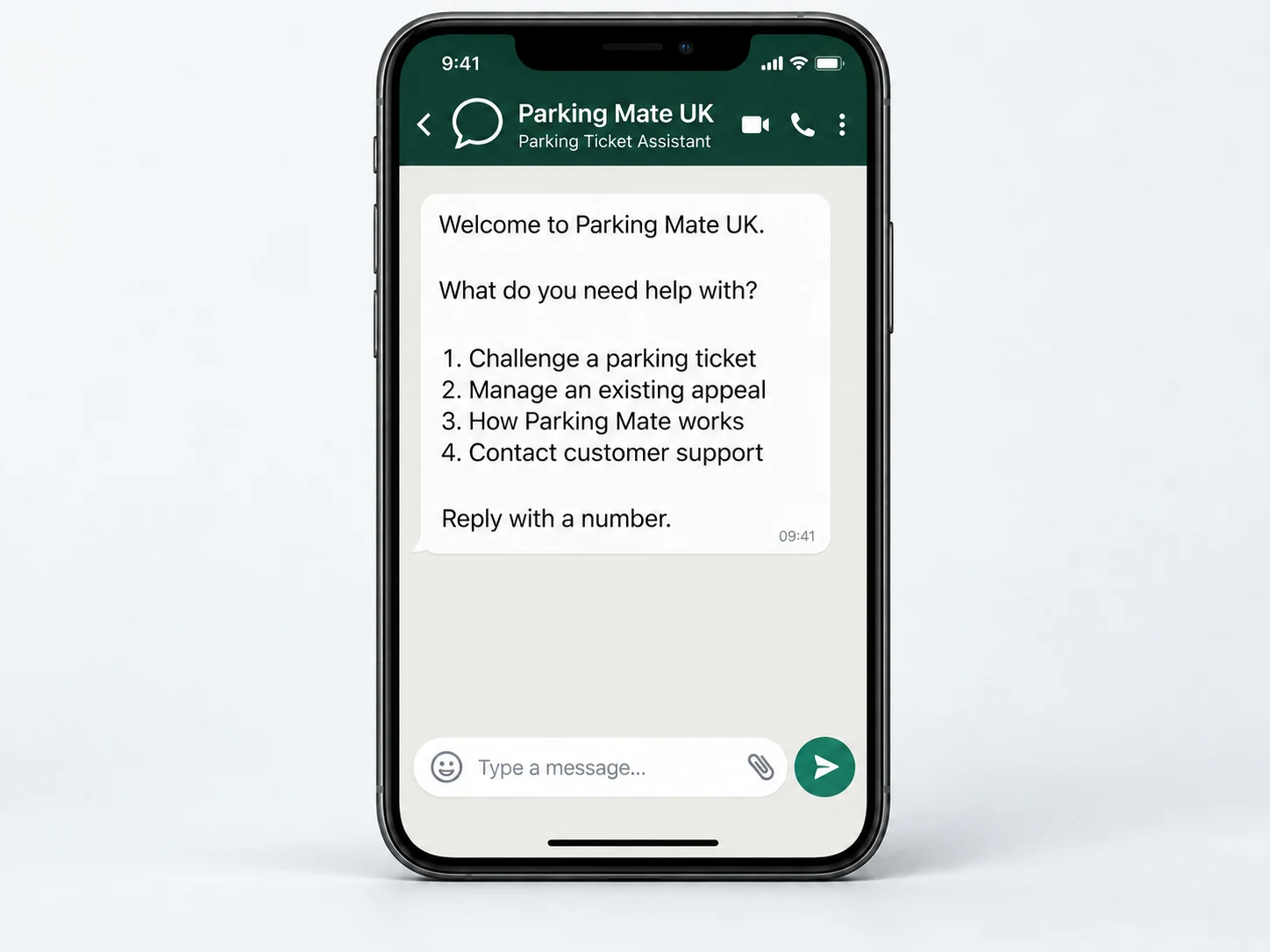
Send the PCN and supporting evidence. Parking Mate UK prepares and submits the appropriate challenge, tracks the response and handles eligible tribunal appeals. Court, TEC and bailiff-stage documents are prepared for you to send.
Send the Evidence to the Authority That Issued the PCN
Use the online PCN service or postal address on the current notice. Include the PCN reference, registration, location and the relevant local-Act ground. Retain the completed challenge, attachments and submission confirmation.
At Notice to Owner stage, respond as the person legally entitled to make representations and provide any sale, hire or lack-of-consent evidence relied upon. Identifying a different driver alone does not transfer ordinary owner liability.
Will appealing affect the 50% discount?
The 50% reduction is an early-payment discount, not a discount for making an appeal. Check the reduced amount and payment deadline on your PCN before deciding whether to pay or challenge it. The discount deadline and the deadline for representations are not necessarily the same.
An early challenge may give you another opportunity to pay the discounted amount if it is rejected. Check the issuing authority's policy and the terms of its reply; a renewed discount is not automatic for every notice. Submit through the correct challenge route and keep the dated confirmation.
If you take the case to the tribunal, do not assume the discount remains available. An allowed appeal cancels the penalty. If the appeal is refused, the full penalty is normally payable. Read the rejection and tribunal decision for the payment instructions.
From Formal Rejection to the Traffic Penalty Tribunal
After an informal rejection, formal representations remain available if a Notice to Owner is served. After a formal Notice of Rejection, the Traffic Penalty Tribunal can determine the dispute independently. Explain the specific statutory condition, sign, boundary or exception the authority has not answered.
An allowed appeal cancels the penalty; after a refusal, follow the decision's payment instructions. Missing the relevant deadlines can lead to a Charge Certificate increasing the penalty by 50%, then an Order for Recovery. Those documents have separate procedural remedies, not a fresh ordinary appeal about the parking event.
Research Sources
- Contravention codes and suffixes
- Essex Act 1987, section 6: qualifying land and prohibition notices
- Traffic Management Act 2004, Schedule 7: civil contraventions including Essex and Exeter
- Statutory guidance on civil parking enforcement in England
- Civil Enforcement of Road Traffic Contraventions: General Provisions (England) Regulations 2022, SI 2022/71
- Civil Enforcement of Road Traffic Contraventions: Representations and Appeals (England) Regulations 2022, SI 2022/576
- Civil enforcement legislation