Parking Mate UK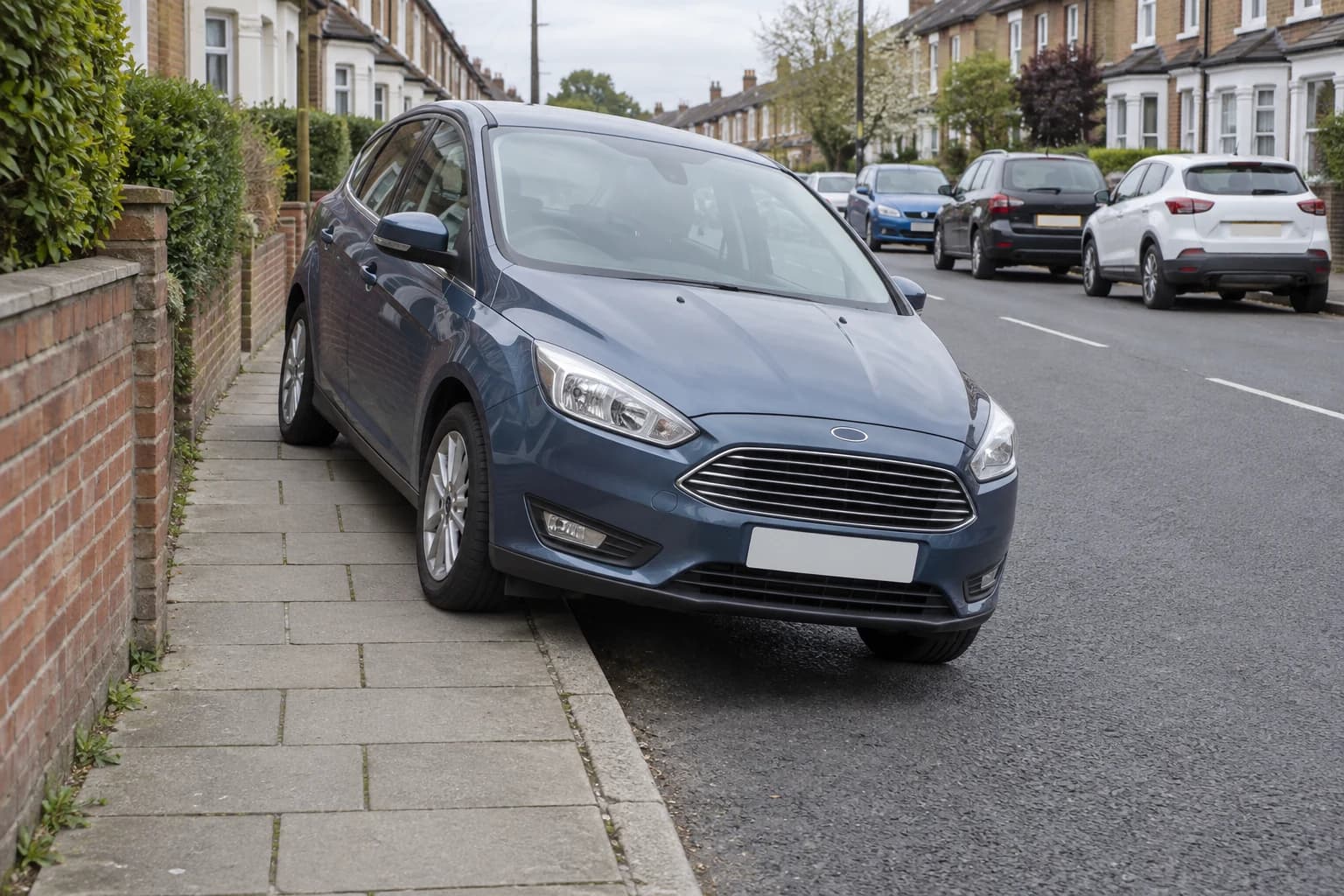
What a Code 66 PCN Alleges
Code 66 concerns section 30 of the Exeter City Council Act 1987, not an automatic extension of London's footway law. The provision covers a vehicle, other than a heavy commercial vehicle covered by the separate legislation, parked wholly or partly on a verge, central reservation or footway of an urban road in Exeter. Section 30 defines an urban road by its speed-limit status, including restricted roads and specified limits not exceeding 40 mph. The Traffic Management Act includes this Exeter contravention within civil parking enforcement.
Essex and Exeter Civil PCNs: Challenge the Current Notice
The local Act establishes the particular restriction. Where the authority issues a civil parking PCN under the Traffic Management Act 2004, England's parking notice and representation procedure applies. It is not London's separate moving-traffic process.
- PCN served at the vehicle: send an informal challenge to the authority identified on it, with evidence about the local prohibition and the vehicle's position.
- Notice to Owner: the owner makes formal representations, repeating the relevant evidence and addressing an earlier rejection. The informal challenge does not replace this statutory response.
- Postal PCN: where the authority has a lawful basis for postal service, make formal representations against that notice rather than waiting for a Notice to Owner.
- Formal Notice of Rejection: appeal to the Traffic Penalty Tribunal using the instructions supplied. London Tribunals is not the tribunal for these Essex or Exeter parking PCNs.
An advisory leaflet, criminal Fixed Penalty Notice or private parking demand is a different document. Check the issuer and legal basis before applying the civil-PCN procedure.
Local Parking PCN Deadlines and the 56-Day Reply Requirement
A PCN served on the vehicle or driver normally gives 14 days at the discounted amount. Check the council's policy on preserving or re-offering that discount when an early challenge is received.
- A Notice to Owner normally gives 28 days beginning with service for formal representations.
- A lawful postal parking PCN normally gives 28 days beginning with service for formal representations. Its discount period depends on the statutory basis for postal service.
- For qualifying formal parking representations in England, the authority must serve its decision within 56 days of receipt. This is not a universal deadline for answering an informal email.
- A Notice of Rejection normally allows 28 days beginning with service for an appeal to the Traffic Penalty Tribunal.
Use the amount and discount printed on the current Essex or Exeter PCN. London borough penalty bands do not apply to these local-Act contraventions. A request for photographs does not itself suspend the deadline.
Road Status, Boundary Signs and Exeter Parking Authorisation
- A map and photographs locating the vehicle against the city, road and carriageway boundaries.
- The speed-limit order or restricted-road information relevant to the urban-road definition.
- Photographs of boundary notices on the approach used, and any resolution exempting the area or vehicle class.
- The full PCN and officer evidence, plus vehicle specifications if the heavy-commercial-vehicle distinction matters.
- Timed loading records identifying who attended the vehicle, the access problem and why loading from elsewhere was not satisfactory.
Do not send the challenge to a council merely because its name appears in the Act. Use the issuing authority and contact details on the PCN; on-street enforcement in Exeter involves Devon's parking administration. Do not treat an advisory pavement-parking leaflet as a demand for payment.
Exeter's Urban-Road Test and Section 30 Exceptions
- The place is outside the statutory scope: identify the city boundary, road and applicable speed-limit status. A road's appearance as suburban is not a substitute for the Act's urban-road definition.
- The position or vehicle category is wrong: compare photographs with the verge, footway and carriageway boundaries. Heavy commercial vehicles have a separate statutory prohibition and should not simply be treated as ordinary code 66 vehicles.
- The area or vehicle was exempted: obtain the relevant resolution or authorisation and check the class, location and conditions. A permitted area must be distinguished from a neighbouring prohibited section.
- The required boundary notices were absent or inadequate: section 30 provides for authorised notices on roads at the borders of the area to which the prohibition applies. Record the entrance actually used rather than assuming a sign must stand beside every vehicle.
- Necessary attended loading or another statutory exception applied: on a verge or footway, loading must not have been satisfactorily possible without that parking and the vehicle must never have been left unattended. Uniformed-police permission and qualifying emergencies are separate exceptions.
The loading provision is not a general allowance to leave a car unattended on the pavement, and it does not extend to central-reservation parking. The Exeter provision should be checked directly; importing London's 20-minute wording would misstate this exception. A Blue Badge or leaving room for pedestrians does not alone establish permission.
What to Include in a Code 66 Challenge
Identify code 66 and address the Exeter Act provision that matters to your case. Show the road's status and the precise parking position, or explain each condition of the exemption. Where signs or an exempted area are disputed, ask for the boundary-sign evidence and operative resolution while still submitting the challenge within the PCN deadline.
£9.99
Penalty Charge Appeal Service
Send the PCN and supporting evidence. Parking Mate UK prepares and submits the appropriate challenge, tracks the response and handles eligible tribunal appeals. Court, TEC and bailiff-stage documents are prepared for you to send.
Send the Evidence to the Authority That Issued the PCN
Use the online PCN service or postal address on the current notice. Include the PCN reference, registration, location and the relevant local-Act ground. Retain the completed challenge, attachments and submission confirmation.
At Notice to Owner stage, respond as the person legally entitled to make representations and provide any sale, hire or lack-of-consent evidence relied upon. Identifying a different driver alone does not transfer ordinary owner liability.
Will appealing affect the 50% discount?
The 50% reduction is an early-payment discount, not a discount for making an appeal. Check the reduced amount and payment deadline on your PCN before deciding whether to pay or challenge it. The discount deadline and the deadline for representations are not necessarily the same.
An early challenge may give you another opportunity to pay the discounted amount if it is rejected. Check the issuing authority's policy and the terms of its reply; a renewed discount is not automatic for every notice. Submit through the correct challenge route and keep the dated confirmation.
If you take the case to the tribunal, do not assume the discount remains available. An allowed appeal cancels the penalty. If the appeal is refused, the full penalty is normally payable. Read the rejection and tribunal decision for the payment instructions.
From Formal Rejection to the Traffic Penalty Tribunal
After an informal rejection, formal representations remain available if a Notice to Owner is served. After a formal Notice of Rejection, the Traffic Penalty Tribunal can determine the dispute independently. Explain the specific statutory condition, sign, boundary or exception the authority has not answered.
An allowed appeal cancels the penalty; after a refusal, follow the decision's payment instructions. Missing the relevant deadlines can lead to a Charge Certificate increasing the penalty by 50%, then an Order for Recovery. Those documents have separate procedural remedies, not a fresh ordinary appeal about the parking event.
Research Sources
- Contravention codes and suffixes
- Exeter City Council Act 1987, section 30 (pages 31-33)
- Traffic Management Act 2004, Schedule 7: civil contraventions including Essex and Exeter
- Devon parking restrictions and traffic regulation orders
- Statutory guidance on civil parking enforcement in England
- Civil Enforcement of Road Traffic Contraventions: General Provisions (England) Regulations 2022, SI 2022/71
- Civil Enforcement of Road Traffic Contraventions: Representations and Appeals (England) Regulations 2022, SI 2022/576
- Civil enforcement legislation