 Parking Mate UK
Complete Parking Services Private Parking Pre-Action
How to Respond to a Complete Parking Services Letter Before Claim
A private parking Letter Before Claim is the formal warning that a parking company or its solicitor is preparing to issue a County Court Claim for an unpaid Parking Charge. It is not a court judgment, but it should be answered within the stated 30-day period because this is the opportunity to dispute the proposed claim, request the evidence and narrow the issues before proceedings.
The response should deal with the complete Parking Charge history, not only the latest balance. Check the original notice, keeper or driver liability, signs, payment and permit records, appeal correspondence, added recovery amount and the documents said to support the claim. A complete response can require the claimant to explain its case before deciding whether to proceed.
Recent Parking Appeal Results
Cancelled Parking Charge Notices
Complete Parking Services quick links
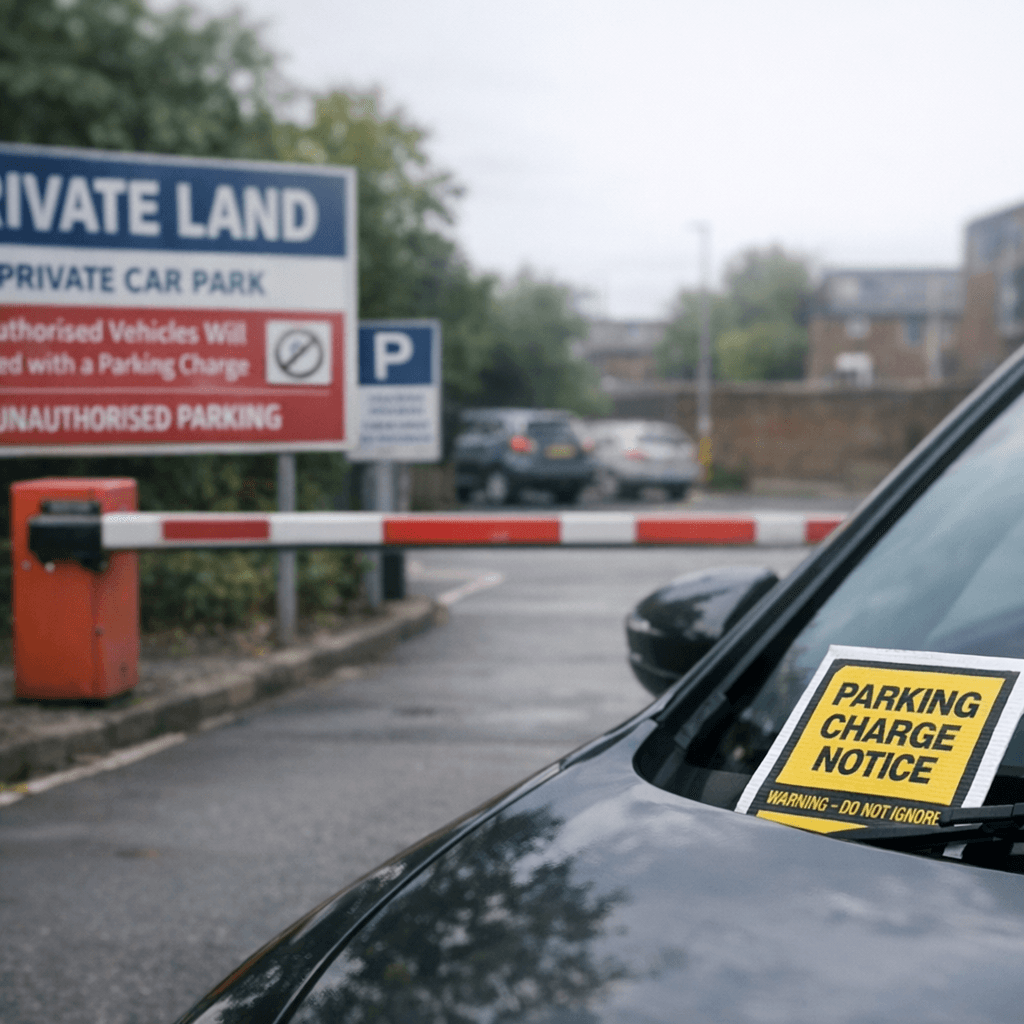
What Is a Letter Before Claim?
The Pre-Action Protocol for Debt Claims applies when a business claims payment of a debt from an individual in England and Wales. It calls the formal pre-court document a Letter of Claim, although parking companies and solicitors also use names such as Letter Before Claim, Letter Before Action or Pre-Action Letter.
A Letter Before Claim is different from an ordinary Debt Recovery Letter. A debt collector may request payment and warn that court action could be considered. A compliant Letter of Claim states that proceedings are being contemplated and should provide the information and forms required by the Protocol.
The pack should normally explain:
-
the amount claimed and whether interest or other charges continue;
-
the agreement or other basis on which the debt is said to arise;
-
whether the debt has been assigned to another company;
-
how the amount can be paid or discussed;
-
an address to which the completed Reply Form can be sent;
-
an up-to-date statement or itemised account showing interest and charges;
-
the Protocol Information Sheet;
-
a Reply Form; and
-
a Financial Statement form.
The letter does not prove that the Parking Charge is enforceable. It records the proposed claimant's position. The original parking contract, the alleged breach, the person pursued, the amount and the evidence can all still be disputed.
No County Court Judgment exists at this stage. The sender cannot instruct enforcement agents on the strength of a Letter Before Claim alone. A judgment and a later enforcement process would be required before compulsory enforcement could begin.
How it works
3 Step Letter Before Claim Response
Upload the front and back of your letter, tell us what happened and Parking Mate UK will prepare, submit and track the response for you.
- 01
Upload Your Letter Before Claim
Take a clear photo of the front and back so we can check the proposed claim, amount and response deadline.
- 02
Tell Us What Happened
Answer a few questions about the original notice, appeal history and any evidence or issues Complete Parking Services failed to address.
- 03
We Prepare and Submit Your Response
We prepare and submit the response, request missing information, send you confirmation and track any further correspondence.
Letter Before Claim Response Process
The Protocol gives the recipient 30 days from the date at the top of the letter to return the Reply Form. Record that date immediately and keep the envelope where the posting date or delivery may matter.
Identify the Proposed Claimant
Check the name of Complete Parking Services, any solicitor acting for it and the company said to be entitled to bring the claim. The claimant should be able to explain whether it contracted directly with the driver, relies on statutory keeper liability or acquired the alleged debt by assignment.
The solicitor is not automatically the claimant. The parking operator may remain the party seeking payment while the solicitor sends correspondence on its behalf. The response should use the names and reference numbers exactly as they appear in the letter.
Reconstruct the Parking Charge
Build a chronology from the parking event to the Letter Before Claim. Include the Notice to Driver, Notice to Keeper or Notice to Hirer, reminder notices, appeal and complaint submissions, POPLA or IAS decisions, debt recovery letters, payments and address changes.
This chronology often exposes the real dispute. The original notice may not have been served, an appeal may have been ignored, a payment may not have been matched, the wrong person may be pursued or the balance may contain an unsupported addition.
Check the Protocol Pack
Compare the letter and its enclosures with the Debt Claims Protocol. Missing forms or an unexplained lump-sum balance should be identified in the response. A technical omission does not automatically cancel the Parking Charge, but the court can consider whether the parties complied with the Protocol if proceedings are later issued.
The Practice Direction on Pre-Action Conduct explains the purpose of this stage: the parties should understand each other's position, exchange key information, consider settlement or alternative dispute resolution and narrow the issues before court proceedings.
Complete the Reply Form
The Reply Form allows the recipient to say whether the debt is accepted, partly accepted, disputed, the subject of debt advice or supported by requested documents. The answers must be consistent with the detailed response and the evidence.
If the entire claim is disputed, identify the factual and legal reasons. If only the added amount is disputed, state which part is challenged and why. Do not make an unnecessary admission about who was driving where the proposed claim is against the registered keeper and driver identity is genuinely unknown or disputed.
Request the Missing Evidence
The Protocol permits the recipient to request documents relevant to understanding the claim. The claimant should provide a requested document or explain why it is unavailable within 30 days. This is the correct point to ask for the evidence needed to test the proposed case rather than waiting for a court claim.
If debt advice is being obtained, say so on the Reply Form. The Protocol requires reasonable time for debt advice and sets protections against proceedings being started immediately after a timely response.
Pre-Action Dispute Grounds
A response should use the grounds supported by the notice history and evidence. It should not paste every possible legal argument into every case.
The Parking Charge Was Paid
Provide the payment receipt, card record, app confirmation, ticket, booking or permit. Match the date, vehicle and location. If a payment app failed or recorded the wrong registration, preserve screenshots, transaction records and any message sent to Complete Parking Services or landowner.
The Parking Terms Were Unclear
The claimant must identify the contractual term said to have been accepted and breached. Request the sign wording, site plan and photographs showing what a driver could see at the material time. Entrance signs, payment instructions, tariff boards and any term permitting additional charges should be legible and prominent.
The Consumer Rights Act 2015 requires consumer terms and notices to be transparent and protects consumers from unfair terms. The response should identify the actual wording said to be unclear, hidden, contradictory or disproportionate.
Keeper Liability Is Disputed
Where the claimant does not know the driver, it may rely on Schedule 4 to the Protection of Freedoms Act 2012 to pursue a vehicle keeper in England and Wales. The statutory conditions depend on whether there was a Notice to Driver and whether the vehicle was hired.
Check the service dates, prescribed wording, identified creditor, period of parking and other Schedule 4 requirements. The Letter Before Claim does not repair a defect in an earlier Notice to Keeper or Notice to Hirer. Paragraph 4(5) also limits the sum recoverable from a keeper under the statutory mechanism to the amount specified in the Notice to Keeper, less payments received.
This is a focused keeper-liability point. It does not mean that every claim against an admitted driver is automatically limited in the same way. The response must identify which legal basis the claimant actually relies upon.
The Claimant Lacks Authority
Complete Parking Services should be able to show that it was authorised by the landowner to manage the site, issue Parking Charges and take legal action in its own name. Request the relevant agreement or sufficient evidence of the authority relied upon, including the site and dates covered.
ANPR Evidence Is Incomplete
ANPR images normally record entry and exit, not the complete period parked. Ask for the images, timestamps, audit trail and manual checks where the allegation depends on camera data. Evidence of two short visits being combined, queueing, a failed payment session or time spent finding a space may change the factual position.
An Appeal Was Ignored
Provide Complete Parking Services appeal, complaint, POPLA or IAS submission and confirmation. If the claimant says no appeal was made, require it to disclose the appeal history and explain how the earlier correspondence was handled.
The current Private Parking Sector Single Code of Practice requires independent appeal and debt resolution activity to be coordinated. A claim should not be advanced on an incomplete account of a live or undecided appeal.
The Added Amount Is Disputed
Ask for an itemised calculation of the original Parking Charge, interest, court fee, solicitor's cost and any debt recovery or administrative amount. A label such as “damages” or “debt recovery costs” is not itself evidence that the sum was incorporated into the parking contract or incurred.
In ParkingEye Ltd v Beavis, the Supreme Court considered the £85 Parking Charge in that particular car park. The judgment did not decide that every later debt recovery addition is automatically recoverable. The added amount still needs a pleaded legal basis, contractual notice and supporting evidence.
The government’s 2025 private parking consultation recorded continuing concern about debt recovery fees and said the available information was insufficient to settle whether the industry cap was justified. In July 2026, the Competition and Markets Authority also identified potentially unfair additional fees as an area of concern.
These developments support close examination of the extra sum. They do not create a rule that every addition must be removed without considering the contract, the person pursued and the evidence.
The Claim Is Out of Time
Section 5 of the Limitation Act 1980 provides a six-year limitation period for an action founded on simple contract. Check the parking date and the date proceedings would be issued. A Letter Before Claim does not extend an expired statutory limitation period.
Equality Duties Are Relevant
Where disability affected the parking event, provide the facts and evidence relevant to reasonable adjustments under the Equality Act 2010. Explain what the parking operator, landowner or service provider knew or should have known and what adjustment would have avoided the disadvantage. A disability should not be inserted as a generic ground without connecting it to the parking term and the alleged breach.
Response to Letter Before Claim
The response normally consists of the completed Reply Form, a detailed letter and the supporting documents available at that stage. It should make the recipient's position understandable without becoming a draft court Defence.
The response should include:
-
the Letter Before Claim reference, Parking Charge number, vehicle and parking date;
-
the identity in which the recipient is responding, such as driver, keeper or hirer;
-
a short chronology of the parking event and all later notices;
-
whether the whole debt or only part of it is disputed;
-
the specific factual and legal grounds relied upon;
-
the evidence enclosed;
-
the documents required from the claimant;
-
the objection to any unitemised or unsupported amount;
-
any proposal for alternative dispute resolution; and
-
the outcome requested.
Relevant document requests may include:
-
every Notice to Driver, Notice to Keeper or Notice to Hirer and evidence of issue;
-
photographs of the vehicle and the alleged contravention;
-
the sign wording and a site plan showing sign locations;
-
the landowner agreement or evidence of authority to contract and litigate;
-
payment-machine or payment-app records relevant to the vehicle or transaction;
-
ANPR images, timestamps and audit information;
-
the appeal, complaint and independent appeal record;
-
the basis on which keeper, driver or hirer liability is alleged;
-
a complete itemisation of the amount; and
-
evidence supporting each additional sum.
Ask for the outcome justified by the case: withdrawal of the proposed claim, cancellation of the Parking Charge, correction of the person or address pursued, recognition of payment, removal of an unsupported addition, disclosure of the documents or a proportionate settlement proposal.
A Subject Access Request is different from a Protocol document request. A data request can be sent separately where personal data is needed, but it should not replace the Reply Form or delay the substantive 30-day response.
Submit Your Pre-Action Response
Send the Reply Form and detailed response to the address stated in the Letter Before Claim. Use the claimant or solicitor's verified email, portal or postal address and quote every reference shown on the letter.
The Debt Claims Protocol normally expects the Reply Form to be returned within 30 days from the date at the top of the letter. Send it early enough to arrive within that period. Keep the final response, every attachment, the sent email, upload confirmation or proof of posting.
Parking Mate UK prepares and submits the response where the claimant or solicitor accepts a verified email or online submission. If the recipient requires a postal response or direct action by the customer, Parking Mate UK provides the completed documents and exact sending instructions.
Do not send the response only to a debt resolution company if the Letter Before Claim names a different claimant or solicitor and provides a dedicated response address. Follow the formal details on the pre-action pack.
After a timely reply, the claimant should not treat the case as unanswered. Where documents are requested, the Protocol says they should be supplied or their absence explained within 30 days. Where debt advice is being sought, the claimant must allow reasonable time in accordance with the Protocol.
Pre-Action Responses and Outcomes
The proposed claimant may cancel the Parking Charge, withdraw the threatened claim, provide the requested documents, remove or explain an additional amount, offer settlement, propose alternative dispute resolution or maintain that the full amount is owed.
Read the response against every disputed issue. A bundle of photographs does not answer a keeper-liability point. A copy of the original notice does not establish the authority to litigate. A repeated balance does not itemise the added amount. Record what was answered, what remains missing and whether any new allegation has been made.
If the parties still disagree after exchanging information, the Protocol expects them to consider whether negotiation or another form of alternative dispute resolution could resolve the dispute. They should also review their positions and narrow the issues before proceedings.
Where the recipient has replied but agreement is not reached, the creditor should normally give at least 14 days' notice before issuing proceedings unless exceptional circumstances apply. That period is not a fresh appeal deadline. It is the final notice that the pre-action exchange has not resolved the dispute.
Failure to follow the Protocol does not automatically cancel the Parking Charge or guarantee that a later claim will be struck out. The court can consider substantial non-compliance when managing the case and deciding costs or other consequences.
If a Court Claim Arrives
A County Court Claim is a new document with separate deadlines. It may arrive from the Civil National Business Centre or another court and will include a claim number, issue date and response pack. Do not assume that the Letter Before Claim response is also a Defence.
The claim should be checked against the pre-action record. Compare the claimant, cause of action, parking date, pleaded amount and documents with what was stated before proceedings. Any unanswered request, inconsistent balance or new allegation may be relevant to the Defence and later witness evidence.
Follow the dates and instructions on the Claim Form. The acknowledgment and Defence process is controlled by the Civil Procedure Rules and the court documents, not by the earlier 30-day Protocol period.
Parking Mate UK uses the Letter Before Claim response, disclosed documents and complete Parking Charge chronology to prepare the separate County Court Claim Defence and supporting court documents. The customer files court documents using the court's stated method with the submission instructions provided.
Read the County Court Claim guide if proceedings have already been issued.
Letter Before Claim Questions
Is a Letter Before Claim a Court Claim?
No. It is formal correspondence sent before proceedings. A County Court Claim begins only when the court issues a Claim Form.
How Long Do I Have to Reply?
The Debt Claims Protocol gives 30 days from the date at the top of the Letter of Claim to return the Reply Form. Check the actual letter because an earlier document may be an ordinary debt demand rather than the formal Protocol letter.
What Forms Should Be Enclosed?
A compliant pack should normally include an Information Sheet, Reply Form and Financial Statement form, together with an account or statement showing the amount and charges claimed.
Should I Complete the Reply Form?
Yes. Use it to state whether the debt is accepted, partly accepted, disputed, subject to debt advice or dependent on documents you have requested. Make sure it matches the detailed response.
Can I Ignore the Letter?
No. If no reply is received within 30 days, the creditor may start proceedings. A response places the disputed facts and document requests on record before that decision.
Is the Parking Charge Proven?
No. The letter states the proposed claimant's case. The claimant must still establish the contract, breach, person liable, amount and authority using admissible evidence if proceedings are issued.
Can I Request Documents?
Yes. Request the documents needed to understand and test the claim. The Protocol says the creditor should provide a requested document or explain why it is unavailable within 30 days.
Do I Need a Financial Statement?
The Financial Statement is intended for a person who accepts some or all of the debt and needs to discuss payment. A person disputing the entire debt should state that position clearly in the Reply Form and response.
Can the Claimant Add £70?
The current sector code permits an addition of up to £70 after a Parking Charge becomes overdue, but that does not make every addition automatically recoverable. Request the contractual basis, advance notice, itemisation and evidence supporting the sum.
Does ParkingEye v Beavis Decide It?
No. The Supreme Court considered the £85 Parking Charge and the particular signs and commercial context in that case. It did not decide every keeper-liability defect or every later debt recovery addition.
What If I Was Not Driving?
Do not make an inaccurate admission. Check whether the claimant relies on Schedule 4 keeper liability and whether the applicable Notice to Keeper or Notice to Hirer met the statutory conditions.
What If the PCN Was Paid?
Send the payment evidence and require the claimant to reconcile it with the Parking Charge reference, vehicle and location. Ask for written confirmation that the proposed claim has been withdrawn.
Can I Ask for More Time?
If you are obtaining debt advice, say so in the Reply Form and explain when advice is expected. The Protocol requires the creditor to allow reasonable time and contains protections against immediate proceedings following a timely response.
Will a Reply Stop Court Action?
It does not guarantee cancellation, but it requires the proposed claimant to engage with the dispute and requested documents. If the matter remains unresolved, proceedings may still be issued after the pre-action steps have been completed.
What Happens After the Reply?
The claimant may cancel, disclose documents, negotiate, use alternative dispute resolution or maintain the claim. If it still intends to issue proceedings, it should normally provide at least 14 days' notice after the pre-action exchange has concluded.
What If a Claim Form Arrives?
Treat it as a separate court document and follow its dates immediately. Preserve the Letter Before Claim response because the chronology, evidence requests and claimant's answers can support the Defence.
Letter Before Claim service
Complete Parking Services Letter Before Claim Pricing
Start with a free two-minute assessment. If we can help, choose the complete £29.99 response service. If Complete Parking Services later files a claim, upgrade to the full Court Claim Defence Service for £20.
Free Letter Before Claim Assessment
£0Find out what the letter alleges and how we can respond.
- Free two-minute assessment
- Letter and deadline checked
- Disputed issues identified
- Recommended next step
Letter Before Claim Response
£29.99We prepare, submit and track your complete pre-action response.
- Robust response prepared and submitted
- Information and evidence requested
- Complete Parking Services replies reviewed and answered
- Confirmation and response copy included
Court Claim Upgrade
£20Upgrade if Complete Parking Services later issues an N1 County Court Claim Form.
- Existing case information reused
- Complete Defence prepared
- Court documents and deadline tracking
- Full Court Claim Defence Service included
Customer reviews
What Our Customers Say
Parking Mate drafted the appeal for me and the parking charges were reversed. Mine was not so straight forward case but I did give a try and it worked. Will use them again.Rohit BrahmbhattGoogle review
Parking Mate were brilliant. They helped me appeal my parking ticket and the appeal was successful, so the ticket was cancelled. I’m very happy with the outcome and would definitely recommend them to anyone who needs help challenging a parking ticket.Stella RGoogle review
Used Parking Mate after getting a parking fine of £100. I was a bit apprehensive at first but the appeal letter was very clear and I successfully got my parking fine cancelled!D MGoogle review
Immediate response to emails . Never too much trouble to help, or point you in the right direction.Andrew MorrisGoogle review
Stansted parking ticket, took over 14 days to issue, got the parking ticket cancelled.Mauro TrovoadaGoogle review
Great experience, very easy to do. Very knowledgeable able to apply the law to help me successfully appeal my parking charge notice, thank youClaire FletcherGoogle review
Reference library

Official sources used to prepare this guide.
Independent Complete Parking Services Appeal Service
Complete Parking Services Ticket Guides
Appeal processComplete Parking Services guide
How to Appeal a Complete Parking Services Parking Charge Notice
Check the notice, prepare the evidence and submit the first appeal within the applicable deadline.
Read guideDebt recoveryComplete Parking Services guide
How to Respond to Complete Parking Services Debt Recovery
Understand the recovery demand, disputed amount and evidence needed before the case escalates.
Read guidePre-actionComplete Parking Services guide
How to Respond to a Complete Parking Services Letter Before Claim
Respond to the proposed claim, request missing documents and protect the pre-action deadline.
Read guideCounty CourtComplete Parking Services guide
How to Defend a Complete Parking Services Court Claim
Check the N1 Claim Form, calculate the response deadline and prepare the documents required at each court stage.
Read guide