Parking Mate UK
Croydon Tribunal Win — 5 of 6 Council PCNs Cancelled
A motorist facing six council PCNs totalling £780 for pedestrian zone contraventions in Croydon took their case to tribunal. Adjudicator Gerald Styles upheld one PCN, but the council withdrew the other five — saving £650. Learn why tribunal appeals are so effective.
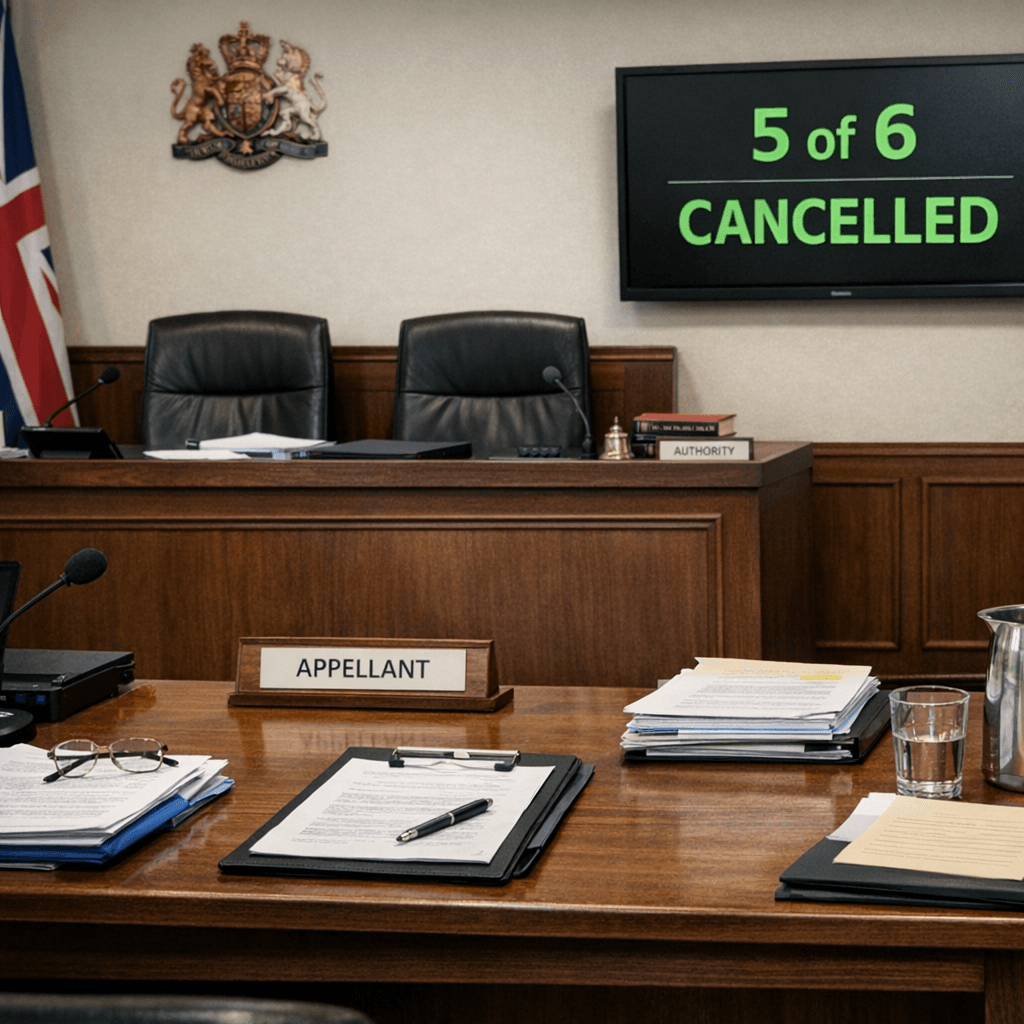
A motorist facing six penalty charge notices (PCNs) totalling £780 from Croydon Council took their case to the Environment and Traffic Adjudicators (ETA) and walked away with five of the six charges cancelled — saving £650. This case demonstrates the remarkable power of tribunal appeals and why councils frequently withdraw multiple PCNs when forced to defend them before an independent adjudicator.
The Charges
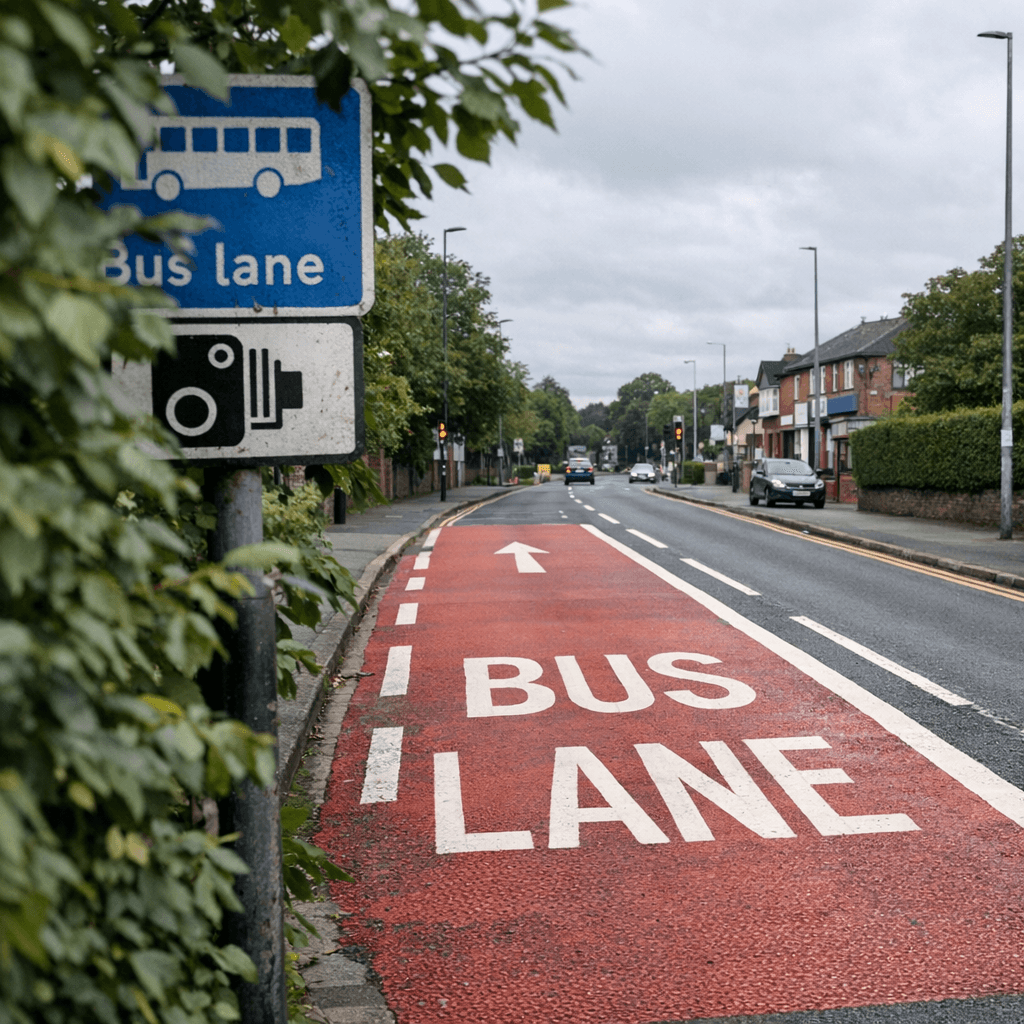
The motorist received six PCNs from Croydon Council, each carrying a penalty of £130. All six charges related to the same location: Biggin Way in Croydon, which is designated as a pedestrian zone with restricted vehicle access during certain hours.
The total liability across all six notices was £780 — a significant sum that would have caused real financial hardship. Rather than paying, the motorist decided to challenge every single notice through the formal appeals process.
The Tribunal Hearing
After exhausting the council’s internal appeals process, the motorist escalated the matter to the Environment and Traffic Adjudicators (ETA), the independent tribunal that handles appeals against council parking and traffic penalties in England and Wales (outside London, which is handled by the London Tribunals).
The case was heard by Adjudicator Gerald Styles. At the tribunal, the adjudicator considered the evidence for all six PCNs.
The Outcome: 5 of 6 Cancelled
The result was overwhelmingly in the motorist’s favour:
- 1 PCN upheld — The adjudicator found that the first notice was validly issued and upheld it. The motorist was liable for £130 on this charge.
- 5 PCNs withdrawn by the council — Croydon Council voluntarily withdrew the remaining five notices rather than defend them at the tribunal hearing.
The net result: the motorist paid £130 instead of £780, saving £650. That represents an 83% reduction in the total penalties faced.
Why Councils Withdraw Multiple PCNs
This pattern — councils withdrawing the majority of PCNs when challenged at tribunal — is far more common than most motorists realise. There are several reasons for this:
- Evidence problems multiply — If a council has difficulty proving one PCN was correctly issued, the same evidence problems typically affect all related notices. Rather than lose multiple times on record, councils prefer to withdraw.
- Proportionality concerns — Adjudicators take a dim view of councils issuing multiple penalties for what is essentially the same ongoing contravention. Withdrawing additional notices can be a pragmatic decision to avoid criticism from the tribunal.
- Signage and traffic management order (TMO) defects — If the signage at a location is inadequate or the TMO contains errors, this affects every PCN issued at that location. A successful challenge to one notice effectively undermines all of them.
- Cost of defending at tribunal — Each tribunal hearing requires council resources. When facing multiple appeals from the same motorist at the same location, the cost-benefit analysis often favours withdrawal.
Pedestrian Zone Enforcement in Croydon
Pedestrian zone contraventions are among the most commonly challenged council PCNs. The enforcement typically relies on CCTV cameras that capture vehicles entering restricted zones during prohibited hours. However, there are frequently legitimate grounds for challenge:
- Inadequate signage — The signs at the entry point to the zone must clearly indicate the restricted hours, the types of vehicles affected, and any exemptions. If the signage is missing, obscured, or does not comply with the Traffic Signs Regulations and General Directions (TSRGD), the PCN may be invalid.
- Exemptions not applied — Many pedestrian zones allow access for loading/unloading, disabled badge holders, or residents. If you had a legitimate exemption that was not properly considered, the PCN should not stand.
- TMO defects — The traffic management order that creates the pedestrian zone must be properly made and accurately reflect the restrictions in force. Errors in the TMO can render all enforcement at the location unlawful.
The Statistics: Why Tribunal Appeals Work
This case is not an outlier. The data consistently shows that motorists who appeal council PCNs to tribunal have a strong chance of success:
- Nationally, around 50-60% of tribunal appeals result in the PCN being cancelled or the council withdrawing the charge before the hearing
- Many councils have withdrawal rates significantly higher than their loss rates — meaning they cancel charges voluntarily when they realise the evidence will not stand up
- Cases involving multiple PCNs at the same location have particularly high cancellation rates, as the evidence problems are compounded
How to Appeal a Council PCN to Tribunal
If you have received a council PCN and want to appeal to tribunal, the process follows these steps:
- Make informal representations — Write to the council within 28 days of the PCN setting out your grounds for appeal.
- Receive the Notice of Rejection (NOR) — If the council rejects your representations, they must issue a formal NOR.
- Appeal to the tribunal — You have 28 days from the NOR to submit your appeal to the relevant tribunal (ETA or London Tribunals).
- Attend the hearing — Hearings can be in person, by phone, or decided on the papers. Many are resolved without an oral hearing.
Key Takeaway
This Croydon case perfectly illustrates why motorists should not be deterred by multiple PCNs. Five of six charges were cancelled, saving the motorist £650. Councils often withdraw charges when they know their evidence will not survive independent scrutiny. If you have received one or more council PCNs, the formal appeals process exists to protect you — use it.
Upload your parking charge to Parking Mate AI and we’ll check it for free.